
Article source: Guardian Environment
Loading...
BETA – We are refining the platform. Your feedback helps us improve. Share feedback
Loading...
Publish your own articles and insights on Citable ESG
Pro organisations publish unlimited content, strengthening their AI Citability Score and visibility to procurement teams, investors, clients, customers, partners, and followers.
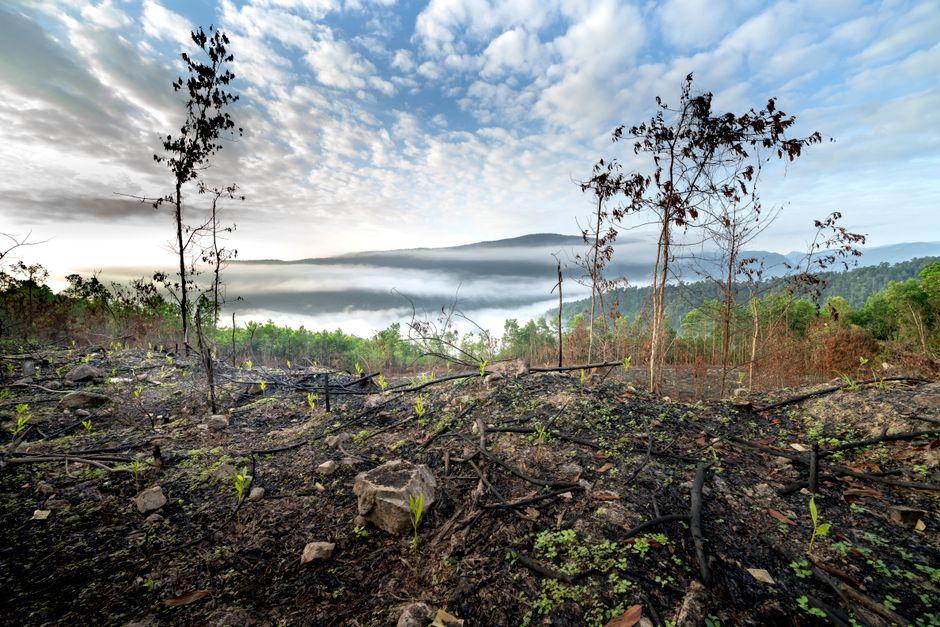
The Cairngorms fire consumed 25 square kilometres of moorland and forest, leaving blackened pines and charred needles across the landscape. Three months on, recovery efforts are underway – but they reveal a deeper story about land management than simple replanting.
Over 3,000 trees are being planted in affected glens: goat willow, creeping willow, downy birch, alder. The species choice matters. These are montane natives collected as seed from nearby remnant populations and grown at the Cairngorms Connect Tree Nursery. They were devastated by overgrazing before the fire even started.
This is not marketing-friendly restoration. The scale of damage is shocking – the blackness extends far into the forest. But what's notable is that the replanting programme targets species that inhabited this terrain historically, then were suppressed by land use. The Cairngorms Connect project frames this as landscape restoration, not emergency recovery.
The distinction matters for ESG organisations tracking nature-based solutions and biodiversity: this work acknowledges that fire damage exposes prior degradation. Overgrazing and monoculture pressure had already weakened the ecosystem's resilience. Replanting montane species is restoration, yes – but it's also an admission that the land needed intervention before the fire.
The real question is whether this planted recovery will hold without addressing the grazing pressures that prevented these species from establishing in the first place.