
Democrats take control of Georgia’s powerful utility regulator
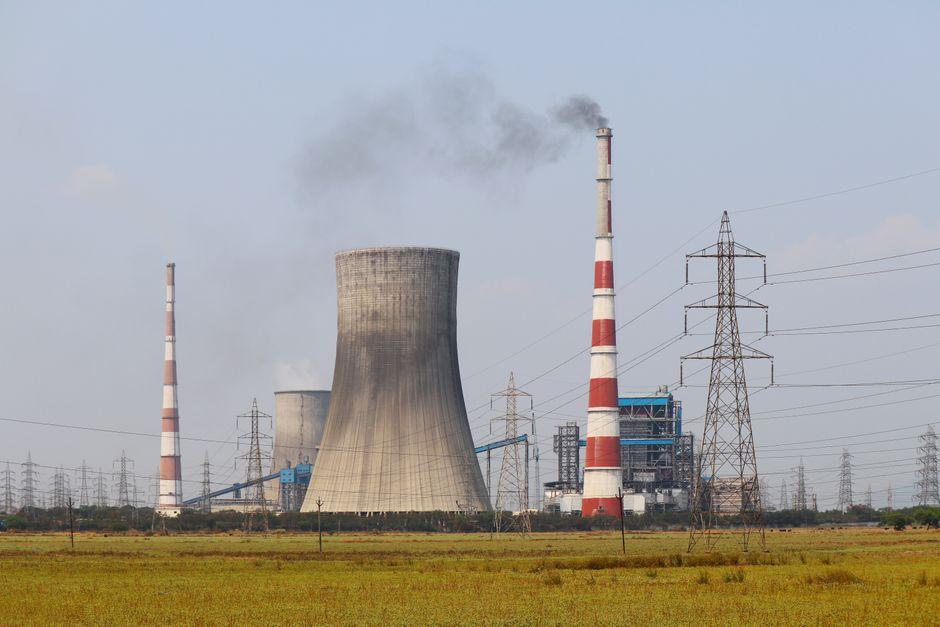
Georgia's Public Service Commission shifted Democratic control following recent elections, reshaping the state's energy regulatory landscape. The incoming commissioners signal intent to address three priorities: consumer electricity costs, accelerated clean energy deployment, and oversight of data centre expansion – a sector consuming substantial grid capacity with minimal current regulation.
This matters because utility commissions set rates, approve infrastructure investment, and determine energy mix. Georgia's PSC exercises direct authority over power generation portfolios and grid development. Data centres have become a material governance issue; major operators have committed to renewable procurement targets, yet regional grid strain from AI computing expansion creates tension between corporate net-zero commitments and grid reliability.
The Democratic majority represents a genuine policy inflection. Previous Republican-controlled commissions favoured incumbent fossil fuel utilities and took permissive positions on data centre demand. Incoming commissioners have signalled openness to stricter carbon accounting and demand-side efficiency standards.
But there's friction embedded here. Lower power bills conflict directly with grid decarbonisation investment – upgrading transmission networks and integrating renewables requires capital. Data centre operators will lobby hard; so will utilities defending legacy coal assets. The commission cannot magic away this trade-off through regulation alone.
What matters most: whether this PSC backs renewable energy deployment with rate structures that don't penalise early-moving customers, and whether it imposes binding emissions reporting on data centres before the sector becomes too politically entrenched to regulate effectively.