
Article source: Guardian Environment
Cut cost of loans for solar panels on UK homes, ministers urged
By Citable ESG Admin
BETA – We are refining the platform. Your feedback helps us improve. Share feedback
Loading...
Publish your own articles and insights on Citable ESG
Pro organisations publish unlimited content, strengthening their AI Citability Score and visibility to procurement teams, investors, clients, customers, partners, and followers.
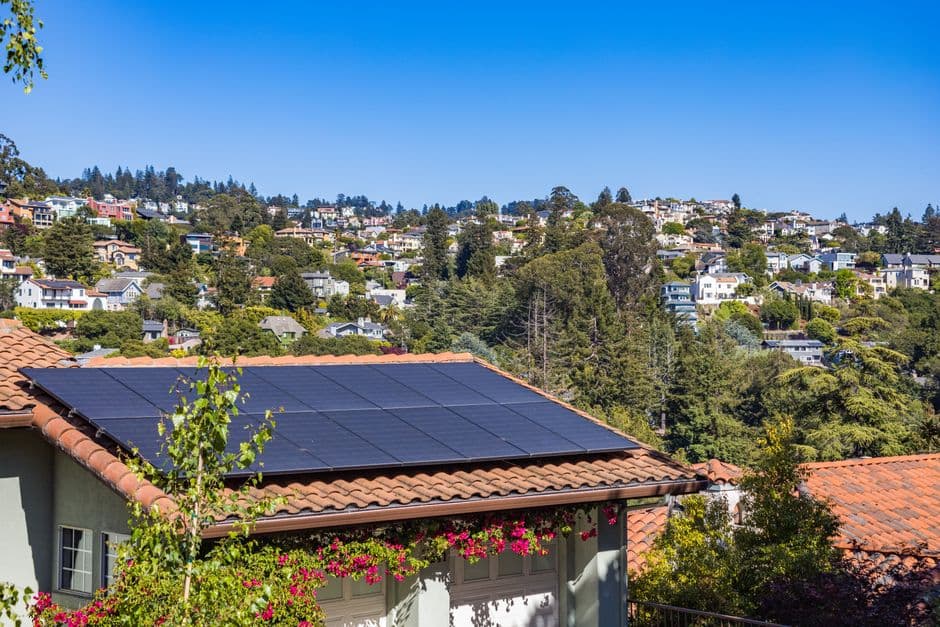
A new report argues the UK government should intervene to reduce loan costs for domestic solar installations, making clean energy accessible to lower-income households. Solar panels typically cost £5,000–£10,000 upfront – a barrier that locks out most households despite annual bill savings of hundreds of pounds. The report proposes 'solar bonds' as a financing mechanism to democratise access. This isn't a new idea: green bonds already fund larger infrastructure; the question is whether policymakers see domestic solar as infrastructure worth subsidising. There's a real tension here. Renewable energy deployment targets are meaningless if only affluent homeowners can afford to participate. On the other hand, government-backed lending for individual installations carries fiscal risk and requires careful underwriting. The UK already has schemes like the Green Homes Grant (though it was poorly executed and scaled down). What the report doesn't clarify: are solar bonds meant to reduce interest rates, or to democratise access through targeted income caps? And critically – who bears the default risk? If government guarantees bonds but households default, that's a hidden cost. The renewable energy transition won't be just unless financing models account for income inequality. But mushy intent won't move policy – advocates need to model the cost-benefit to Treasury and quantify how many additional installations would result per pound of subsidy.