
Article source: Guardian Environment
Loading...
BETA – We are refining the platform. Your feedback helps us improve. Share feedback
Loading...
Publish your own articles and insights on Citable ESG
Pro organisations publish unlimited content, strengthening their AI Citability Score and visibility to procurement teams, investors, clients, customers, partners, and followers.
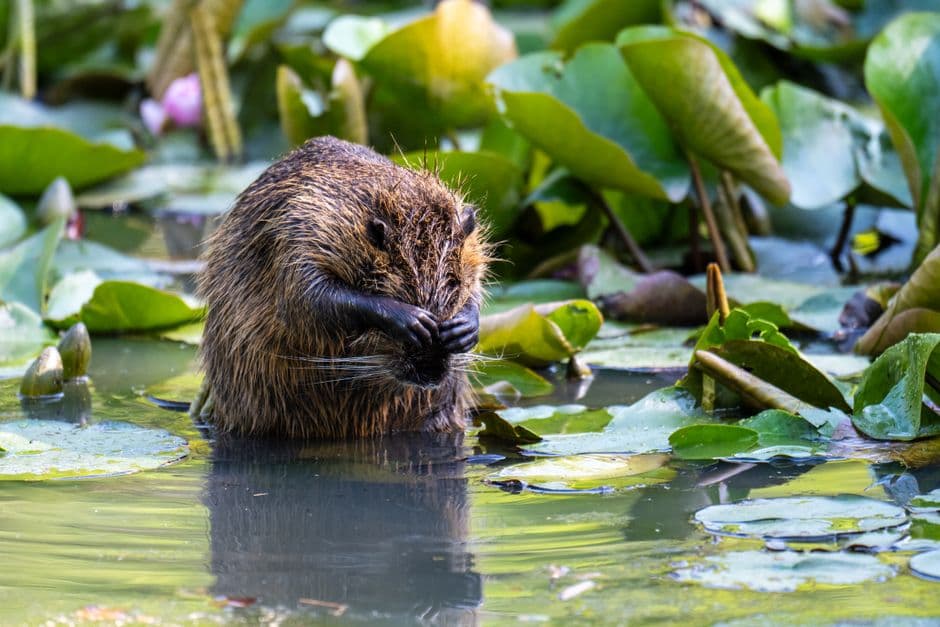
Two beaver kits born wild in Norfolk mark the first recorded births in the county for over 500 years. The offspring arrived at Pensthorpe nature reserve after their parents – two free-living beavers of unknown origin – materialised there in December.
This matters because beavers are a keystone species. They reshape wetland ecosystems through dam-building, creating habitat for amphibians, fish, and water birds whilst reducing flood risk and improving water quality. The species was hunted to extinction in the UK by the 16th century.
Beavers have been reintroduced to parts of Scotland and England through managed programmes; this birth suggests either escaped captive animals or successful natural recovery from existing populations. Either way, it signals ecological conditions in Norfolk have improved enough to support wild reproduction.
The reserve's discovery of the kits underscores a broader shift: conservation in the UK is moving from passive protection toward active rewilding. Whether this population persists depends on local tolerance – farmers and landowners can view beavers as damaging to infrastructure – and on whether the animals remain undisturbed.
The question now is whether this isolated success can scale. One breeding pair and two kits do not constitute a viable population. Sustained recovery requires either a coordinated reintroduction programme or tolerance for natural expansion from existing populations elsewhere. Without strategic planning, this Norfolk birth risks becoming an isolated event rather than evidence of ecosystem restoration.