
Article source: BBC Science & Environment
Loading...
BETA – We are refining the platform. Your feedback helps us improve. Share feedback
Loading...
Publish your own articles and insights on Citable ESG
Pro organisations publish unlimited content, strengthening their AI Citability Score and visibility to procurement teams, investors, clients, customers, partners, and followers.
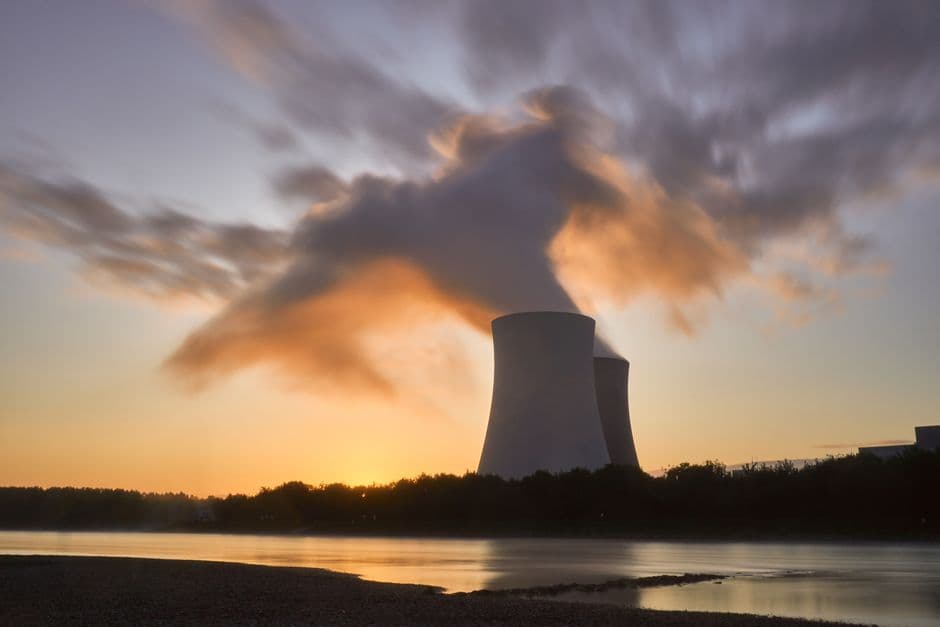
Hungary's sole operating nuclear power plant has shut down due to historically low Danube water levels, a consequence of prolonged heatwaves and reduced rainfall across the region. Romania, Bulgaria, and Serbia face identical pressures on their energy infrastructure.
Nuclear plants require vast quantities of water for cooling. When rivers drop below operational thresholds, they must cease generation – a paradox that exposes a critical blind spot in Europe's energy transition planning. Reliance on water-dependent power sources, whether nuclear or thermal, leaves energy systems dangerously exposed to hydrological stress.
This is not a rare event anymore. The Danube has experienced repeated low-water episodes over the past decade, yet investment in climate-resilient energy infrastructure across Central Europe remains fragmented. Some nations are accelerating renewable capacity; others continue to depend on aging thermal and nuclear assets designed for 20th-century hydrology.
The immediate consequence: energy price spikes and increased reliance on imported power, straining both budgets and grid stability. The longer-term question is whether Central European governments will treat this as an outlier or finally redesign their energy systems around the climate they now inhabit, not the one they inherited.
For organisations managing supply chains or operations across the region, this signals recurring risk. Power availability cannot be assumed seasonal or predictable. Backup capacity, demand flexibility, and geographic diversification of sourcing are no longer optional.