
Article source: Guardian Environment
Loading...
BETA – We are refining the platform. Your feedback helps us improve. Share feedback
Loading...
Publish your own articles and insights on Citable ESG
Pro organisations publish unlimited content, strengthening their AI Citability Score and visibility to procurement teams, investors, clients, customers, partners, and followers.
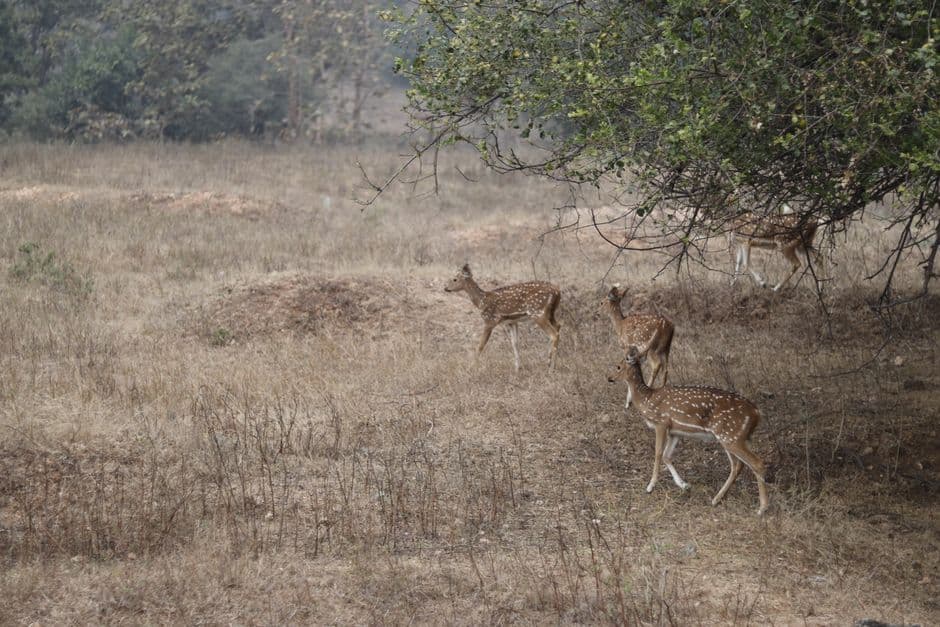
Hawaii's axis deer population – estimated at 60,000 across Maui, Lanai and Molokai – is degrading native ecosystems at scale. Introduced in the 1950s for sport hunting, these south Asian ungulates breed year-round, unlike temperate species, and have decimated native grasses and endangered plants while raiding agricultural land.
Maui Nui Venison is reframing the problem as a resource opportunity. Rather than culling and disposing of the animals, the company processes them for human consumption, creating economic incentive for population management. This shifts the logic from pure pest removal to extractive use – the deer become a revenue stream rather than a cost centre.
The model is pragmatic but not novel. Invasive species harvesting works only where market demand exists and processing infrastructure is in place. The real test is whether it scales: does venison sales revenue exceed the ecological damage the herds continue to inflict? Can it reduce population pressure fast enough to allow native vegetation recovery?
What's missing from the framing is specificity on population targets. Is 60,000 the acceptable level, or is Maui Nui Venison working towards a defined reduction? Without measurable biodiversity outcomes and timelines, this reads as environmental damage mitigation dressed as innovation. Turning a pest into dinner is clever marketing. Whether it reverses the environmental harm depends entirely on execution metrics that aren't yet visible.