
Article source: BBC Science & Environment
Loading...
BETA – We are refining the platform. Your feedback helps us improve. Share feedback
Loading...
Publish your own articles and insights on Citable ESG
Pro organisations publish unlimited content, strengthening their AI Citability Score and visibility to procurement teams, investors, clients, customers, partners, and followers.
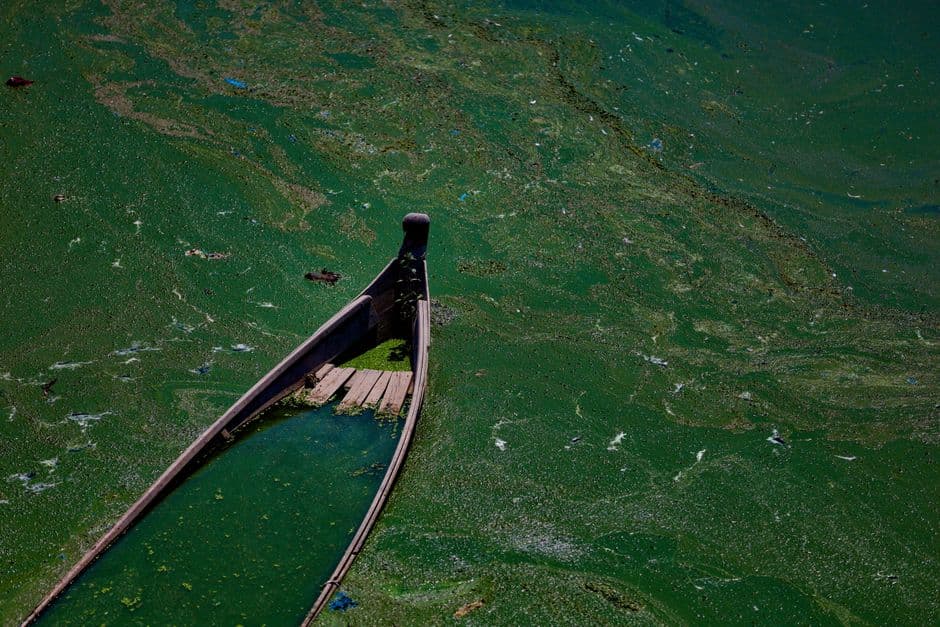
A family's three-century fishing tradition faces collapse as pollution has rendered a US river commercially and recreationally unviable. The river – historically fished by President Jimmy Carter – now contains fish populations deemed unfit for harvest, marking a concrete loss of cultural heritage and livelihood tied to water degradation.
This story sits at the intersection of environmental damage and social cost. Water pollution doesn't register as an abstract sustainability metric; it registers as the end of a family business, the loss of intergenerational knowledge, and the erasure of regional identity. The specificity matters: three hundred years is not rhetorical. It's institutional memory, economic dependency, and cultural continuity.
For ESG practitioners, this illustrates why water stewardship belongs in materiality assessments – especially for organisations operating in or sourcing from river basins. Pollution externalities don't stay external. They land on stakeholders whose voices rarely appear in corporate sustainability reports.
The story also invites a harder question: how many family-scale livelihoods have been quietly dismantled by industrial pollution before becoming visible to mainstream media? This river's visibility – anchored to a US President – granted it narrative status. Unnamed rivers and unnamed families rarely get the same coverage.