
Loading...
BETA – We are refining the platform. Your feedback helps us improve. Share feedback
Loading...
Publish your own articles and insights on Citable ESG
Pro organisations publish unlimited content, strengthening their AI Citability Score and visibility to procurement teams, investors, clients, customers, partners, and followers.
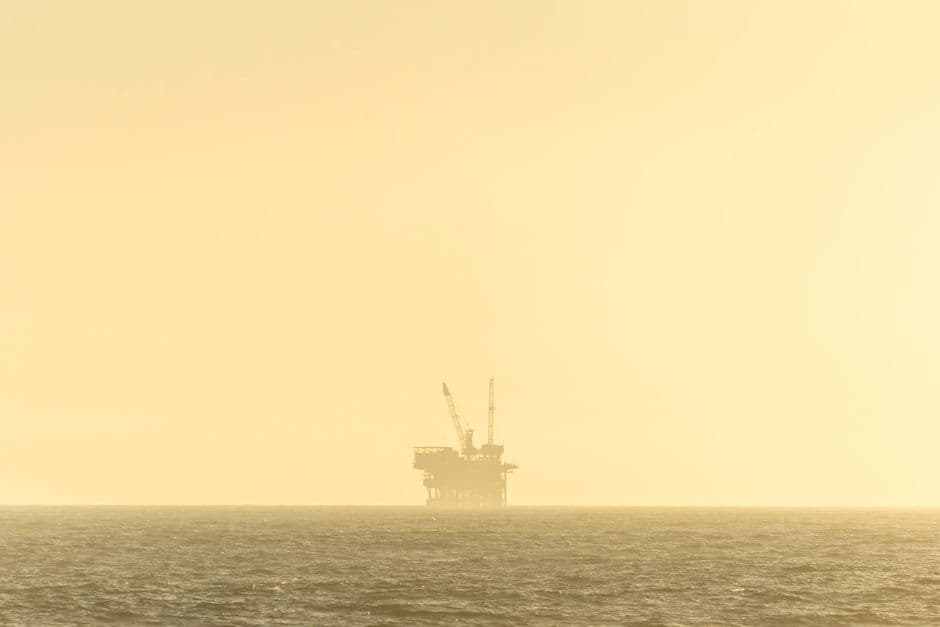
The UK energy secretary is reportedly leaning towards rejecting the Rosebank oilfield development, one of the North Sea's largest untapped reserves. This follows approval of the smaller Jackdaw gasfield and signals a potential policy shift on new fossil fuel extraction in UK waters.
The decision matters because it tests whether the government will align climate commitments with actual licensing decisions. Rosebank would lock in decades of oil extraction at a time when the UK has committed to net-zero by 2050 under the Climate Change Act. The Guardian's reporting suggests officials now view the project as incompatible with climate goals – a reversal from the previous administration's approval in January 2023.
The North Sea energy industry argues that rejecting new fields accelerates the need for imports and undermines energy security. Climate campaigners counter that approving major new fields contradicts the UK's own climate legislation and international commitments under the Paris Agreement.
The Jackdaw approval complicates the picture: it suggests the government isn't categorically opposed to new fossil fuel projects, but may be applying stricter criteria to larger developments. That distinction – between smaller, "transition" gas projects and major new oil fields – will shape future licensing rounds.
What's unclear is whether this reflects genuine policy recalibration or political pressure. If rejected, Rosebank becomes a test case for whether cost-of-living concerns and energy independence still override climate policy at the decision point.