
Article source: Guardian Environment
Loading...
BETA – We are refining the platform. Your feedback helps us improve. Share feedback
Loading...
Publish your own articles and insights on Citable ESG
Pro organisations publish unlimited content, strengthening their AI Citability Score and visibility to procurement teams, investors, clients, customers, partners, and followers.
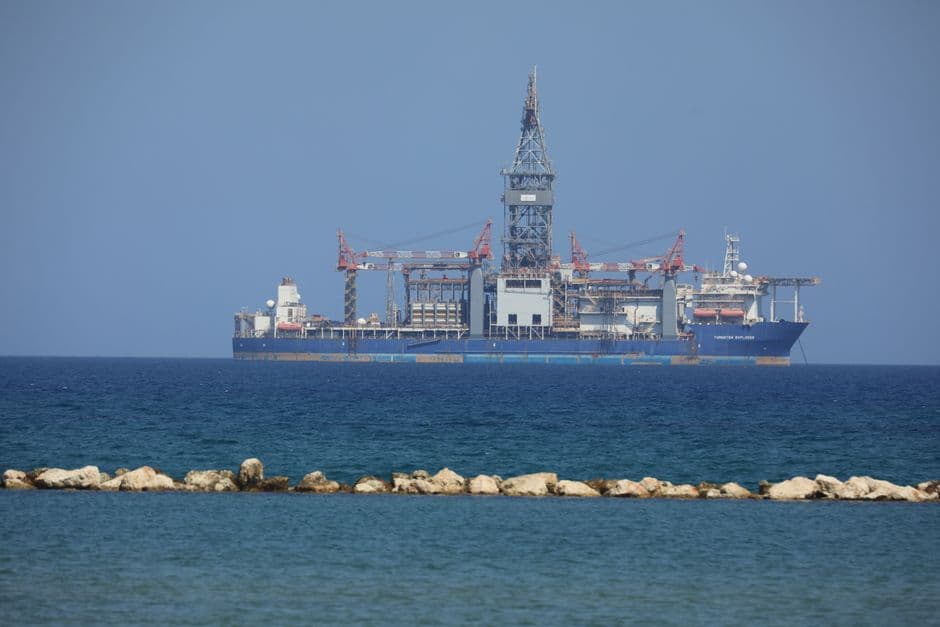
The UK government has approved drilling at the Jackdaw gasfield despite climate targets and cost-of-living pressures. Climate campaigners argue the decision undermines net-zero commitments and fails to address energy bills – a claim the government has not substantiated with evidence. The approval sits in tension with the stated UK Climate Change Committee recommendation to phase out fossil fuel extraction.
But the picture is more complicated than simple approval or rejection. Energy Secretary Miatta Fahnbulleh is reportedly leaning towards rejecting the Rosebank oilfield development, a much larger project. This suggests inconsistency in decision-making rather than coherent policy.
The Jackdaw decision raises a specific question: if the UK is committed to net-zero by 2050 under the Climate Change Act, how does licensing new gas production square with that? The government has not published a clear reconciliation. Critics point out that new fossil fuel extraction locks in decades of emissions – a direct conflict with binding climate legislation.
Energy security arguments presented by previous administrations have worn thin. Global gas markets are functioning; UK production does not materially reduce bills or geopolitical risk. Instead, approval suggests the government is prioritising short-term revenue and investor relations over statutory climate obligations.
The question now is whether Rosebank rejection signals a shift in approach, or whether it reflects political calculation around project scale rather than principle. If the government rejects Rosebank but proceeds with Jackdaw, the coherence of UK climate policy becomes difficult to defend.