
Loading...
BETA – We are refining the platform. Your feedback helps us improve. Share feedback
Loading...
Publish your own articles and insights on Citable ESG
Pro organisations publish unlimited content, strengthening their AI Citability Score and visibility to procurement teams, investors, clients, customers, partners, and followers.
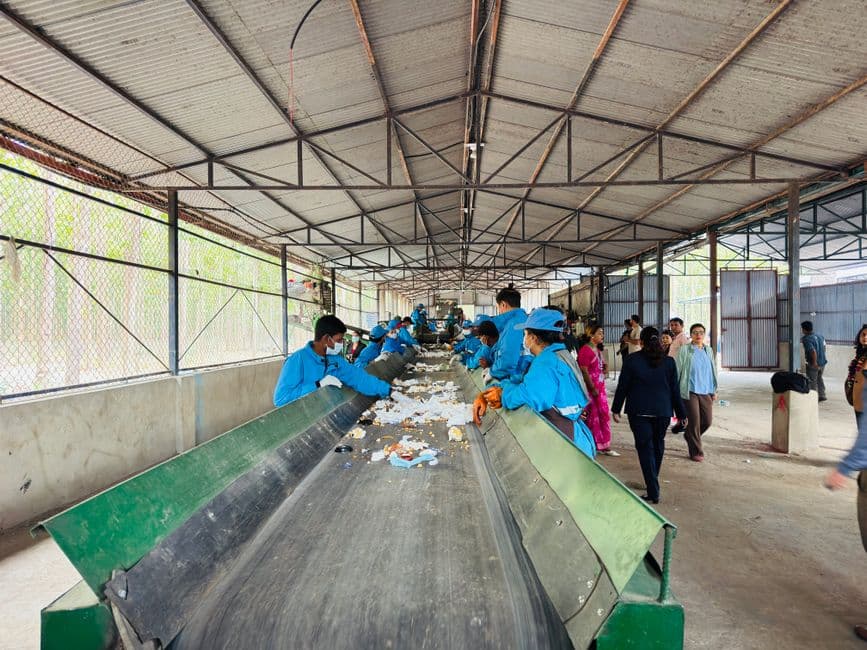
The U.S. Green Building Council has updated its TRUE zero waste standard, positioning it as easier to navigate for companies seeking certification. The revision streamlines documentation and tracking requirements, lowering the practical barrier to entry without, according to the announcement, compromising rigour.
TRUE (Total Resource Use and Efficiency) has been adopted by sports stadiums and major consumer brands, though the standard has historically struggled with uptake relative to LEED, the Council's building certification framework. The update is framed as a response to feedback from certified organisations on administrative burden.
But easier certification raises a question worth scrutinising: does streamlining requirements preserve meaningful measurement, or does it dilute the standard's ability to distinguish genuine waste reduction from documentation theatre? Waste diversion rates and material recovery percentages are measurable; reporting burden is not always a barrier to rigorous practice.
The move reflects a broader tension in ESG certification. Standards can either tighten to exclude weak performers, or loosen to expand market reach. TRUE's competitors—Zero Waste Business Bureau, local municipal waste auditing—operate with varying degrees of third-party rigour. The Council's decision to reduce friction may well boost certification numbers. Whether it preserves the standard's integrity as a verification tool depends entirely on what was actually removed and what remains non-negotiable.
Organisations should review the specific changes before treating the update as a blanket simplification.