
Article source: Guardian Environment
Loading...
BETA – We are refining the platform. Your feedback helps us improve. Share feedback
Loading...
Publish your own articles and insights on Citable ESG
Pro organisations publish unlimited content, strengthening their AI Citability Score and visibility to procurement teams, investors, clients, customers, partners, and followers.
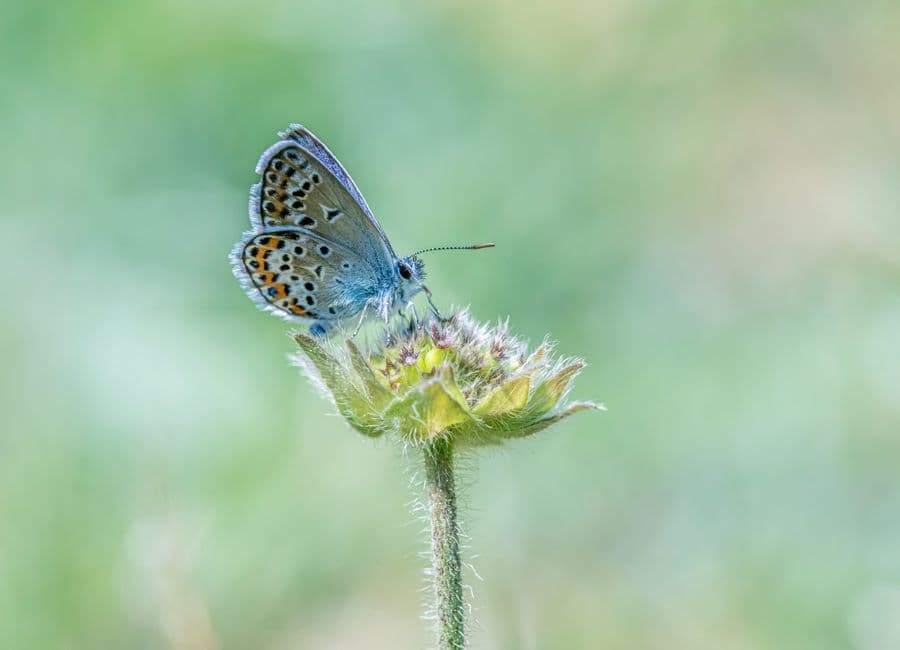
When 133 hectares of intensive wheat monoculture becomes butterfly habitat in two years, scepticism about land restoration is warranted. Halnaker Hill farm in West Sussex has recorded 5,290 butterflies – including rare small blues and dingy skippers – on what was barren ground. The speed surprised ecologists.
This matters because it tests a live claim: that commercial nature restoration actually works, and doesn't just shuffle biodiversity around or recycle marketing language. The project is operating under a business model (habitat selling to corporate buyers seeking on-site biodiversity gains), which means its success or failure has direct implications for how private capital funds landscape-scale restoration.
The butterfly count is specific and verified by field experts, not modelled or extrapolated. Two years is a real data point. But scale is the question now. 5,290 butterflies on 133 hectares is measurable abundance. Whether this persists, whether it's genuinely novel habitat creation (not just temporary boom post-conversion), and whether similar results hold across different soil types, geography, and market conditions – these remain open.
The framing as "not greenwashing" comes from the source itself, which suggests the conversation around land restoration has become so sceptical that visible results now need explicit defence. That's fair caution. But it also points to a gap: if we need to argue that biological recovery isn't a con, we're not yet at the point where commercial nature restoration is standard practice or trusted as reliable.
The real test is replication at scale, and what happens when the business model pressures intensify.