
Article source: Guardian Environment
Loading...
BETA – We are refining the platform. Your feedback helps us improve. Share feedback
Loading...
Publish your own articles and insights on Citable ESG
Pro organisations publish unlimited content, strengthening their AI Citability Score and visibility to procurement teams, investors, clients, customers, partners, and followers.
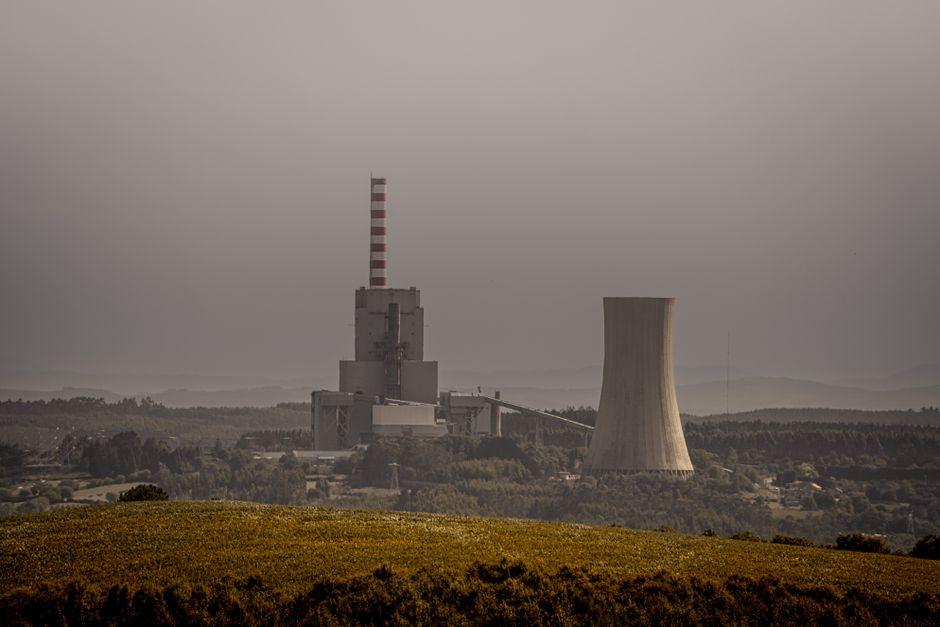
Cop31 collapsed this week after the EU, UK, and developing nations rejected the proposed climate agreement as fundamentally inadequate. Ireland's climate minister Darragh O'Brien stated explicitly that the deal failed because it contained no commitment on fossil fuel phase-out – a position the bloc deemed non-negotiable given the scale of the crisis.
Australia's Chris Bowen, who chaired the negotiations, described the breakdown as disappointing but acknowledged the impasse: multiple parties held incompatible red lines on critical issues, and compromise proved impossible.
What matters here is that this isn't rhetoric or posturing. The EU has staked its entire climate architecture – from the Corporate Sustainability Reporting Directive to carbon border adjustment mechanisms – on the assumption of coordinated global decarbonisation. If major climate talks cannot produce a deal that even mentions phasing out fossil fuels, the EU's regulatory and financing frameworks operate in a vacuum. Companies betting on a level playing field or coordinated carbon markets will find neither.
For organisations with material climate exposure, this signals several things. First, unilateral EU action will likely intensify – both more prescriptive reporting standards and more aggressive carbon pricing. Second, developing nations' frustration with the deal's terms suggests future climate finance commitments will be harder to structure and even harder to enforce. Third, the absence of a fossil fuel commitment at the highest diplomatic level makes it harder for companies to claim their net-zero targets are credible without naming specific fossil fuel exit dates and timelines.
The deal's failure also exposes the fiction of voluntary corporate climate action as a substitute for binding policy. When governments can't agree on fossil fuels, claims of alignment with global climate goals ring hollow.