
Article source: Guardian Environment
Loading...
BETA – We are refining the platform. Your feedback helps us improve. Share feedback
Loading...
Publish your own articles and insights on Citable ESG
Pro organisations publish unlimited content, strengthening their AI Citability Score and visibility to procurement teams, investors, clients, customers, partners, and followers.
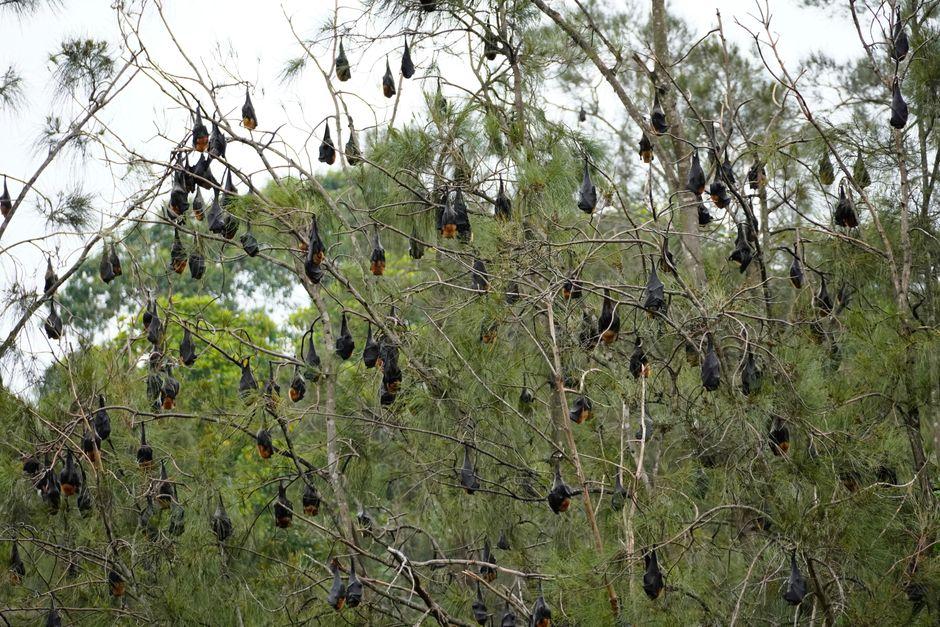
Victoria's 2024 election campaign has sidelined environmental policy despite the state facing cascading ecological crises. Thousands of grey-headed flying foxes died in mass mortality events; bushfires destroyed critical habitat for pink cockatoos and eastern bristlebirds; H5 bird flu devastated coastal wildlife; and Leadbeater's possums – Victoria's emblem – saw populations halved in months, forcing emergency relocation.
Environmental experts accuse both major parties of abandoning nature as a campaign platform. The state experienced record heat, a decimated ski season, and fires that burned more land than the 2009 Black Saturday disaster. Yet biodiversity and climate resilience have largely vanished from election discourse.
This gap matters beyond symbolism. Victoria's conservation infrastructure is fragile. Emergency interventions like the Leadbeater's possum evacuation signal adaptation to crisis, not prevention. The state's remaining endangered species habitat continues to shrink under development pressure and warming temperatures.
The political silence reflects a broader Australian pattern: environmental policy becomes hostage to electoral calculation. When both major parties treat nature as marginal to voter concerns, commitments to restoration or habitat protection weaken. Victoria's 2024 election reveals the cost: a state facing extinction-level biodiversity loss receives no serious policy response from candidates seeking office.
The question for voters: will environmental absence in campaign messaging translate to continued policy neglect after polling day?