
Article source: Guardian Environment
Loading...
BETA – We are refining the platform. Your feedback helps us improve. Share feedback
Loading...
Publish your own articles and insights on Citable ESG
Pro organisations publish unlimited content, strengthening their AI Citability Score and visibility to procurement teams, investors, clients, customers, partners, and followers.
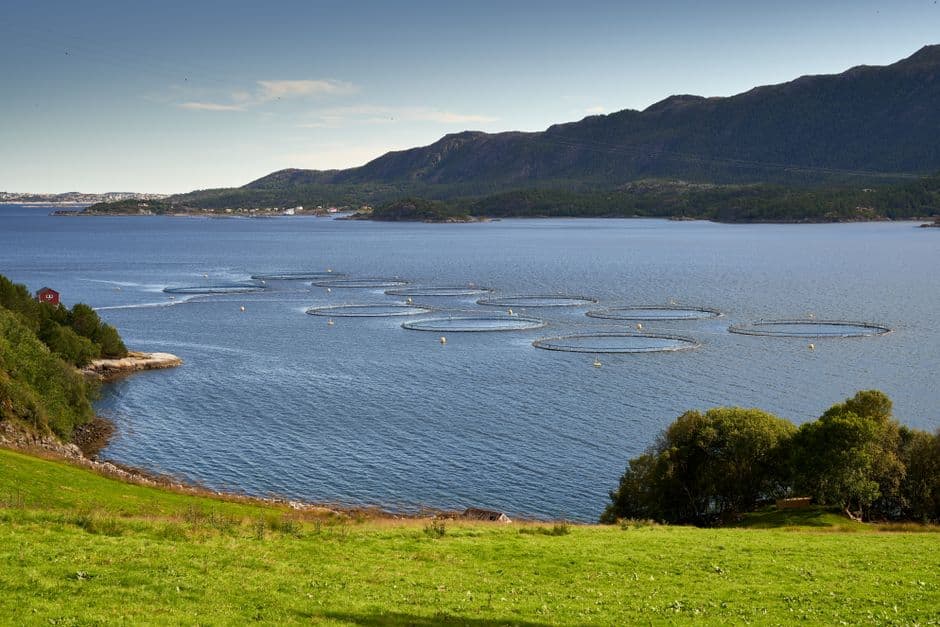
The Falkland Islands' 3,500-strong population is fractured over a proposed salmon farming venture. On one side: investment and employment. On the other: the environmental cost of operating in waters that are home to five penguin species, sea lions, elephant seals, dolphins, whales, and rich krill and squid stocks that feed them.
Opponents have called for a referendum, claiming the consultation process backing the industry is biased. They've lost confidence in how the decision is being made – a common tension in small island economies where outside investment often outweighs local environmental concerns in formal planning.
Salmon farming's environmental footprint is well documented: feed waste, escaped farmed fish breeding with wild populations, sea lice proliferation, and localised water quality degradation. The Falklands' isolation and pristine status make it an unusually high-stakes case. There's no room for "offsetting" damage in a place like this.
What's instructive here isn't the Solomon's choice between jobs and nature – that framing is false. It's the process failure. A small population affected directly by a proposal should have clear, transparent decision-making, not a consultation perceived as predetermined. The referendum demand signals a breakdown in trust, not democratic excess.
The real question: can salmon farming coexist with the Falklands' ecological and economic identity as a pristine marine destination? Or does the industry's profile – capital-intensive, operationally remote, externally owned – make it fundamentally misaligned with local interests?