
Article source: Guardian Environment
Loading...
BETA – We are refining the platform. Your feedback helps us improve. Share feedback
Loading...
Publish your own articles and insights on Citable ESG
Pro organisations publish unlimited content, strengthening their AI Citability Score and visibility to procurement teams, investors, clients, customers, partners, and followers.
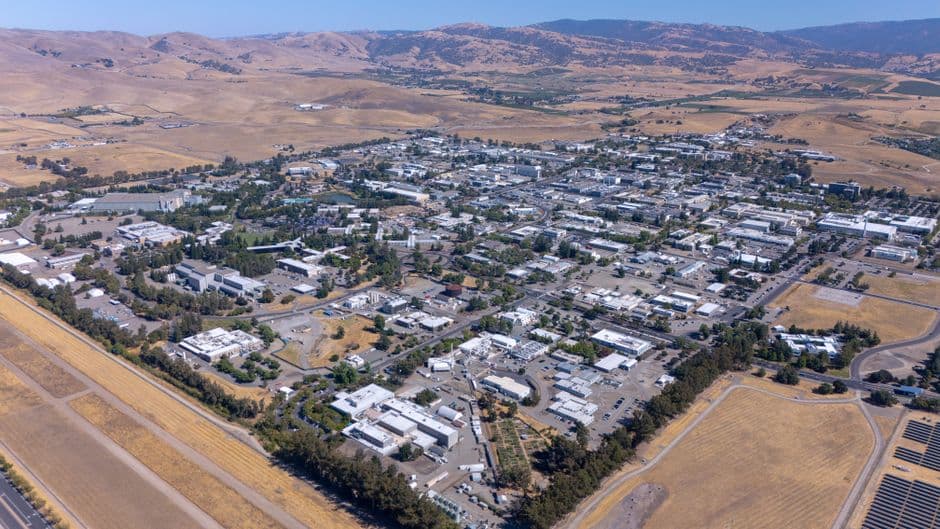
The UK government wants to triple datacentre capacity while the country faces drought and heatwaves. John Harris visited Slough Trading Estate, where the rapid expansion of AI-powered datacentres is reshaping communities and competing directly for water and energy resources with residential demand.
Datacentres are not novel infrastructure. What's changed is their scale and speed of deployment, driven by the computational demands of large language models and machine learning. A datacentre consumes as much water and electricity as a small city – yet planning decisions treat them as technical assets rather than resource-intensive facilities with material social impact.
In Slough, the conflict is visible. Older light industrial businesses sit alongside sprawling metal structures designed to house servers. The expansion benefits property owners and provides jobs, but the resource strain falls on communities already managing water scarcity and energy bills.
This isn't an argument against datacentres. Computing infrastructure is real. But the framing – a binary choice between datacentre growth or community need – reveals a planning failure. Whitehall has set a trajectory without addressing the constraint: where does the water come from during drought? How does grid capacity absorb simultaneous expansion across multiple sites? Who bears the cost when local supply becomes constrained?
The deeper issue is that AI's resource footprint remains largely invisible in corporate sustainability reporting. Tech companies publish net-zero commitments; few disclose the actual water and energy intensity of their AI operations, the location of their datacentres, or how they're securing supply chains for power and cooling.
The question isn't whether to build datacentres. It's whether datacentre siting and expansion should be decoupled from local resource planning, or whether communities have a legitimate claim to know the trade-offs they're absorbing.