
Article source: edie
European Parliament backs three-year delay to EU methane rules
By Citable ESG Admin
BETA – We are refining the platform. Your feedback helps us improve. Share feedback
Loading...
Publish your own articles and insights on Citable ESG
Pro organisations publish unlimited content, strengthening their AI Citability Score and visibility to procurement teams, investors, clients, customers, partners, and followers.
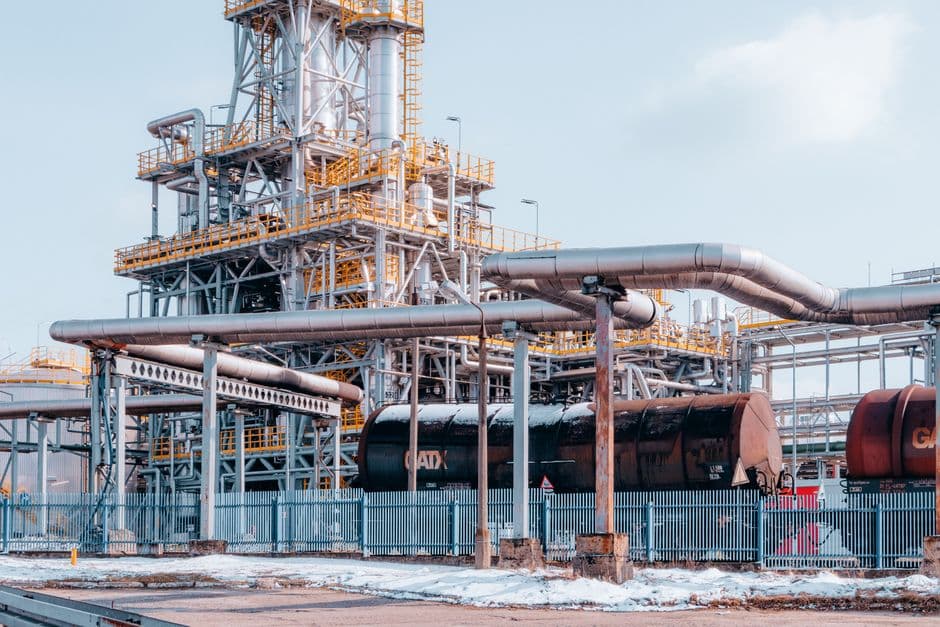
The European Parliament voted to extend the EU's methane reporting deadline by three years – pushing compliance beyond the European Commission's proposed one-year delay. This means organisations importing oil, gas, and coal will not face mandatory methane disclosure requirements until 2027 at earliest, rather than the original 2024 timeline.
The vote signals political pressure from member states concerned about immediate compliance costs and administrative burden during an energy transition. But delay carries real cost. Methane accounts for roughly 28% of warming impact since pre-industrial times, according to IPCC data. Three additional years without visibility into supply chain emissions means European importers continue opaque procurement practices – exactly the transparency gap the original regulation aimed to close.
This is not a small procedural tweak. The postponement directly undermines the EU's 2030 emissions reduction target (55% below 1990 levels) and weakens the bloc's credibility on scope 3 climate action. Organisations that have already begun methane mapping now face regulatory uncertainty; those that haven't will face zero incentive to start before 2027.
The vote also exposes the fault line between climate ambition and industrial lobbying. Coal and gas producers successfully argued for breathing room; Parliament obliged. Whether member states push back during final negotiations remains unclear – but the direction is already set: environmental targets bend when economic pressure mounts.