
Article source: Guardian Environment
Loading...
BETA – We are refining the platform. Your feedback helps us improve. Share feedback
Loading...
Publish your own articles and insights on Citable ESG
Pro organisations publish unlimited content, strengthening their AI Citability Score and visibility to procurement teams, investors, clients, customers, partners, and followers.
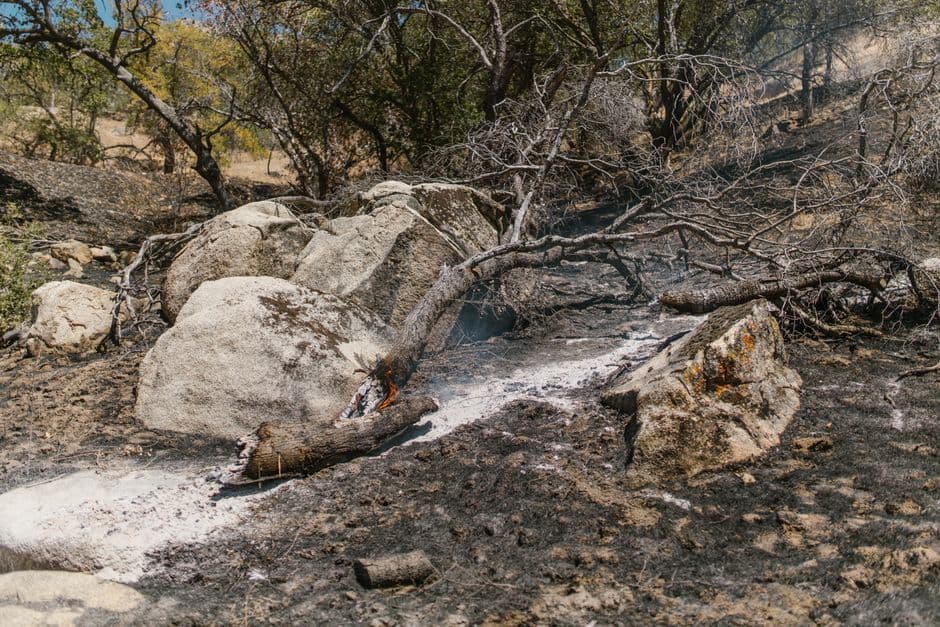
Wildfire smoke and ash reshape aquatic ecosystems months or years after flames die. The mechanism is straightforward: nutrient-rich ash deposits into lakes and seas, triggering algal blooms. When dense blooms decompose, they strip oxygen from the water column, creating hypoxic dead zones where aquatic life cannot survive.
This is not a secondary concern. Dead zones disrupt fisheries, collapse food chains, and degrade water supplies across Europe and beyond. The Guardian reports that some algal blooms produce toxins dangerous to humans and livestock. Yet few organisations track the connection between wildfire events and aquatic degradation systematically.
The problem compounds with climate change. Hotter, drier conditions drive longer fire seasons. More frequent wildfires mean more ash into waterways. More ash means more blooms. More blooms mean more dead zones. This is a direct climate-to-water pathway that most ESG frameworks and climate disclosures ignore.
What makes this actionable for boards and sustainability leads? First, it's predictable. Organisations in fire-prone regions can model aquatic risk from wildfire ash. Second, it's measurable: water quality metrics already exist. Third, it reveals a gap in scope 3 accounting – most companies don't measure indirect environmental impacts from fire events on shared water resources.
The implication is uncomfortable. If your supply chain, operations, or stakeholder communities depend on freshwater or coastal fisheries in wildfire zones, you need a new lens on climate resilience. Not just drought or heat risk, but the cascading toxicity risk from ash-driven algal collapse.