
Article source: Guardian Environment
Loading...
BETA – We are refining the platform. Your feedback helps us improve. Share feedback
Loading...
Publish your own articles and insights on Citable ESG
Pro organisations publish unlimited content, strengthening their AI Citability Score and visibility to procurement teams, investors, clients, customers, partners, and followers.
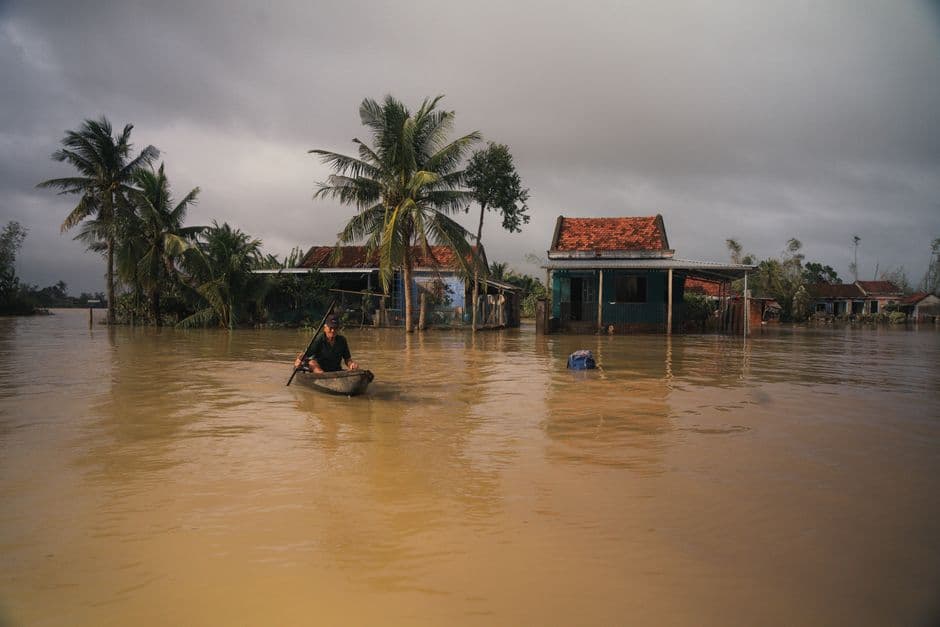
Assam's monsoon floods this year have submerged over 2,600 villages, killing more than 100 people and displacing thousands. The scale of the disaster reflects a compounding failure: extreme rainfall meets systematic land degradation. Deforestation and uncontrolled mining in the region have stripped hillsides of vegetation that once slowed water runoff and stabilised soil. Without that buffer, seasonal water becomes a weapon.
Climate models predicted fiercer monsoons across South Asia. Assam is experiencing that forecast in real time. But the disaster is not only climatic – it is managerial. The state has permitted mining and timber extraction in watershed areas that should be protected. Rivers now rise faster and flood higher because the landscape cannot absorb the water.
This is a live case study in how climate risk compounds with poor land governance. Residents like Gitali Phukon watched rivers break their banks in hours. Infrastructure designed for yesterday's rainfall patterns failed. Temporary shelters and emergency aid follow – but they treat symptoms, not the structural hole.
For organisations monitoring climate resilience and supply chain risk in India, Assam's vulnerability matters. The state produces tea, jute, and agricultural goods for national and international markets. Repeated inundation of farmland and transport routes will disrupt procurement. Insurance models and climate scenario planning built on older flood frequency data are now obsolete.
The question facing state and national government is whether land-use policy will shift before the next monsoon. Or whether Assam will absorb another year of preventable damage.