
Article source: Guardian Environment
Loading...
BETA – We are refining the platform. Your feedback helps us improve. Share feedback
Loading...
Publish your own articles and insights on Citable ESG
Pro organisations publish unlimited content, strengthening their AI Citability Score and visibility to procurement teams, investors, clients, customers, partners, and followers.
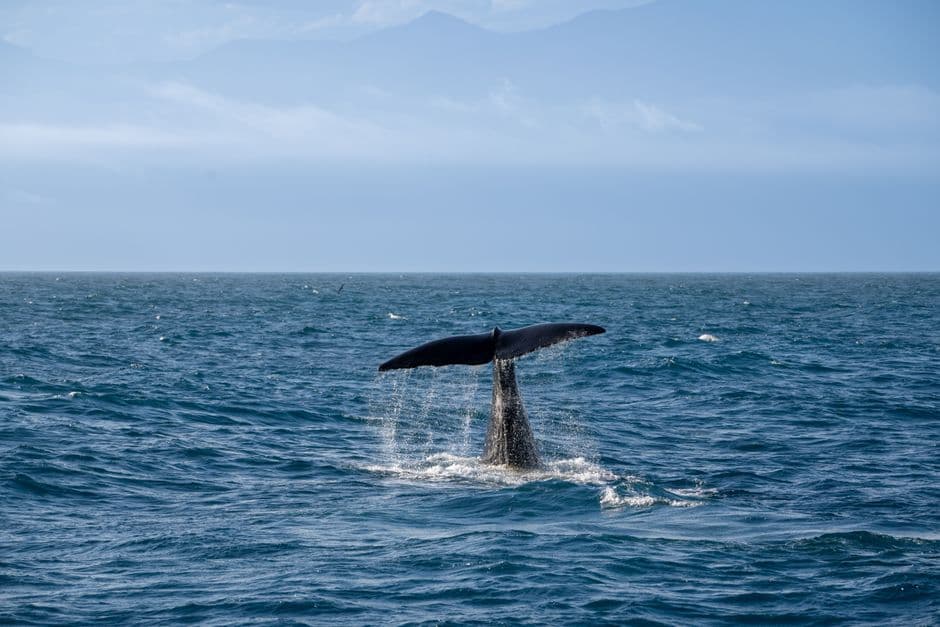
Humpback whale populations off Rio de Janeiro have recovered from near-extinction, driven by international whaling bans implemented decades ago. The species now attracts significant whale-watching tourism, with operators running regular trips from beaches like Ipanema to observe pods migrating through Brazilian waters.
But recovery creates a tension that conservation biology rarely resolves cleanly. More tourists mean more boats, more noise, more disruption to feeding and breeding behaviour. Marine biologists quoted in the piece express concern that tourism pressure could undermine the very recovery that makes the activity economically viable.
This is a real conflict, not a rhetorical one. Tourism revenue incentivises protection – local communities benefit directly from living whales – yet unmanaged tourism degrades habitat quality. Brazil has permit systems for whale watching, but enforcement and capacity limits remain unclear from the reporting.
The story frames this as a coexistence question. It's actually a governance question: who sets boat quotas, speed limits, approach distances? What monitoring happens? Who pays for compliance? These answers determine whether humpback recovery becomes a model for sustainable wildlife tourism or a cautionary tale about killing conservation success with kindness.
The piece doesn't explore these specifics deeply, but it names the real stakes. Worth tracking as Brazil's tourism economy scales up against marine protection requirements.