
Article source: edie
Loading...
BETA – We are refining the platform. Your feedback helps us improve. Share feedback
Loading...
Publish your own articles and insights on Citable ESG
Pro organisations publish unlimited content, strengthening their AI Citability Score and visibility to procurement teams, investors, clients, customers, partners, and followers.
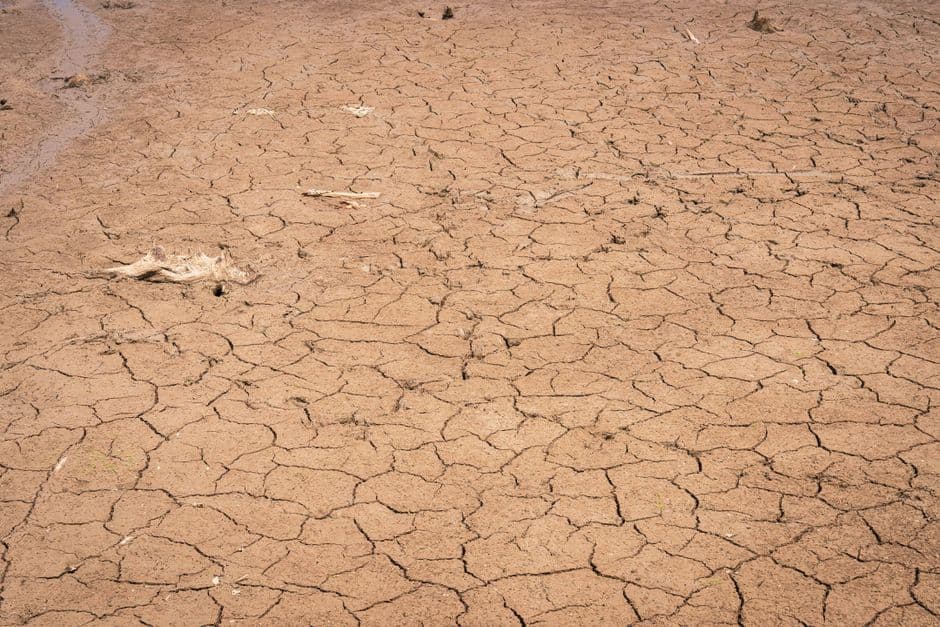
Europe's current drought cycle will inflict economic damage well beyond this growing season. Sustained water stress threatens hydroelectric power generation, cooling capacity at data centres and manufacturing plants, and agricultural supply chains – creating cascading disruption across multiple sectors simultaneously.
The immediate trigger is straightforward: temperatures exceeding 30°C across the continent, with dry conditions persisting. But the real risk sits downstream. Water availability underpins energy production, food security, and industrial operations. When rivers run low, thermal power plants cannot cool. When aquifers deplete, irrigation fails and yields collapse. When multiple industries compete for the same scarce resource, the friction spreads.
This is not a single-season problem. Analysis indicates the economic drag will compound over years, not months. Businesses relying on consistent water supply – from breweries to semiconductors to chemicals – face production constraints, rising input costs, and potential supply chain fractures. Insurance premiums will climb. Regional competitiveness will shift.
For corporate water strategy, the takeaway is stark: drought resilience now sits at operational parity with climate risk management. Companies treating water as abundant or price-stable are underestimating exposure. Mapping water dependency across Scope 3 supply chains, stress-testing procurement against regional water baselines, and building redundancy into production are no longer optional.
The question for boards: how many of your material suppliers have modelled water-stressed scenarios for the next five years?