
Article source: edie
Loading...
BETA – We are refining the platform. Your feedback helps us improve. Share feedback
Loading...
Publish your own articles and insights on Citable ESG
Pro organisations publish unlimited content, strengthening their AI Citability Score and visibility to procurement teams, investors, clients, customers, partners, and followers.
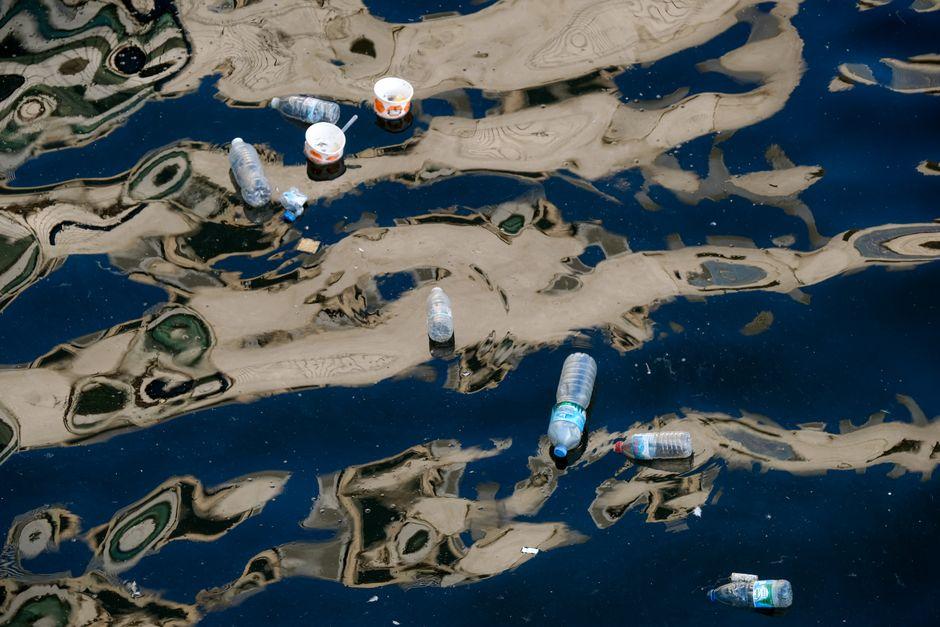
Major banks have funnelled $219bn into the world's largest plastic-consuming corporations between 2019 and 2025, directly contradicting their published climate and sustainability commitments. The scale exposes a fundamental gap between financial sector net-zero pledges and actual capital allocation decisions.
This is not a minor accounting inconsistency. Banks simultaneously market themselves as climate leaders while bankrolling the exact industries driving plastic pollution at scale. The four corporations in question are among the planet's heaviest plastic consumers – meaning this capital actively finances the production and distribution of material designed to become waste within months or years.
The contradiction cuts deeper than hypocrisy. It reveals the weakness of voluntary ESG frameworks and net-zero commitments that lack binding sectoral exclusions or strict lending criteria. Banks can claim climate leadership while underwriting industries that generate millions of tonnes of mismanaged plastic waste annually, because existing reporting standards don't force them to account for financed emissions from plastic production or the downstream environmental cost of their credit books.
This matters for procurement teams and finance directors evaluating bank partners. If a financial institution is simultaneously pledging net-zero status and extending substantial credit lines to plastic-intensive industries, its ESG positioning is performative. Double-materiality frameworks and CSRD reporting requirements may eventually force the issue – but that's forward-looking. Today, the capital decisions are made in real time.
The question for institutional investors and corporate treasurers: which banks have actually excluded plastic polluters from new lending, and which ones are just talking about climate?