
Article source: Guardian Environment
‘I can’t bear it’: young family takes refuge in bedroom as choking haze engulfs Indonesian city
BETA – We are refining the platform. Your feedback helps us improve. Share feedback
Loading...
Publish your own articles and insights on Citable ESG
Pro organisations publish unlimited content, strengthening their AI Citability Score and visibility to procurement teams, investors, clients, customers, partners, and followers.
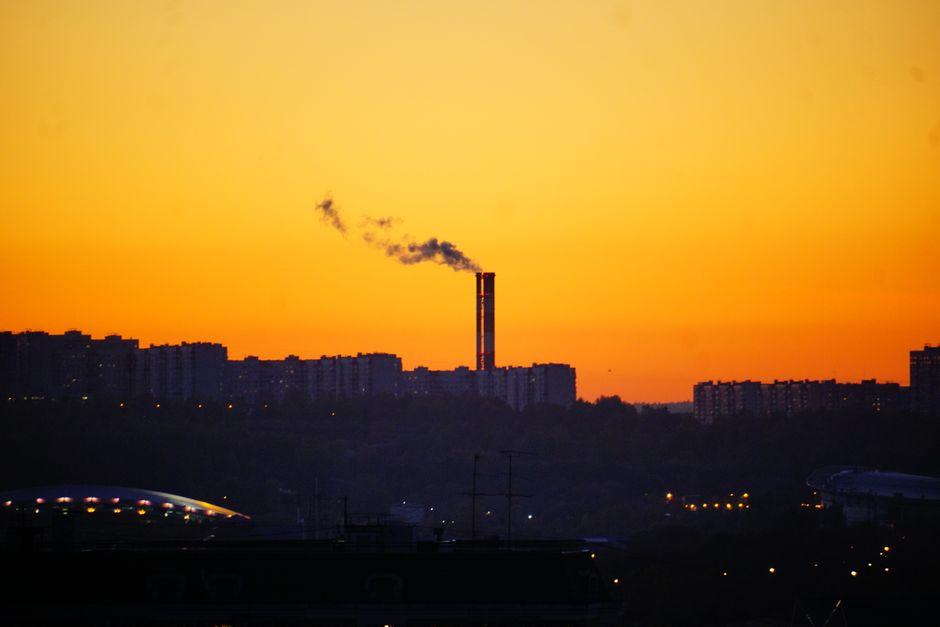
Residents of Palangkaraya, Indonesia are retreating indoors as smoke from nearby fires creates hazardous air quality across the region. The Guardian reports on families, including a mother protecting her five-month-old son, who start each day checking air quality before leaving their bedrooms – either through handheld particle monitors or by observing the orange-tinged sky outside.
The story captures the lived reality of climate-driven environmental hazards: those with resources purchase air-quality testing devices and access paid "safe houses" offering cleaner air; those without face daily exposure to toxic smoke. The acrid smell and persistent coughs described are symptomatic of prolonged particulate exposure.
This sits at the intersection of environmental degradation, climate adaptation inequality, and public health vulnerability. Indonesia's seasonal fire events – often linked to land-use conversion and agricultural practices – create acute respiratory crises that disproportionately affect lower-income households unable to afford protective measures or relocation.
The piece illustrates a structural ESG blind spot: while corporate sustainability reporting focuses on emissions reduction targets and net-zero pledges, communities experiencing real-time environmental collapse lack both prevention mechanisms and equitable adaptation support. The framing of "safe houses" as a consumer commodity, rather than a public health entitlement, exposes how climate impacts are being managed through market solutions rather than systemic change.
This is not a future-facing sustainability story. It's a present-day failure of environmental governance and corporate accountability in regions where industrial activity (palm oil, timber, mining) drives fire risk.