
Article source: Guardian Environment
Loading...
BETA – We are refining the platform. Your feedback helps us improve. Share feedback
Loading...
Publish your own articles and insights on Citable ESG
Pro organisations publish unlimited content, strengthening their AI Citability Score and visibility to procurement teams, investors, clients, customers, partners, and followers.
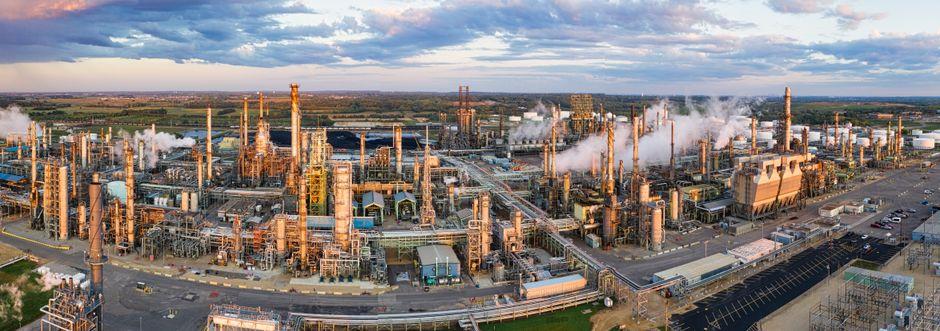
Ineos, a UK petrochemical company, is expanding its export of fracked ethane from the United States – a move with documented health and environmental costs for communities in shale gas regions. The Guardian investigation reveals the company's role in scaling up a trade that generates significant externalities largely invisible to supply chains and investor due diligence frameworks.
The story centres on Pennsylvania's Washington County, where residents report serious health impacts linked to fracking operations and ethane extraction infrastructure. Lois Bower-Bjornson, a campaigner at the Clean Air Council, describes her children experiencing rashes, nosebleeds, and anaemia – symptoms residents attribute to air quality degradation from gas development. These accounts reflect a pattern: fracking zones frequently see air pollution from volatile organic compounds and methane, yet these costs rarely surface in corporate procurement or ESG assessments.
Ineos's expansion into US ethane exports illustrates a critical gap in scope 3 emissions and supply chain responsibility frameworks. While the company may report carbon intensity metrics, the full supply chain impact – including extraction-phase health costs borne by proximate communities – remains outside most ESG reporting standards and investor pressure points.
The investigation raises a hard question: how do procurement teams and impact investors account for the health externalities embedded in feedstock sourcing? Fracked ethane sits in a regulatory blind spot; it's neither captured robustly in carbon accounting (extraction emissions often attributed to the upstream operator) nor in supply chain due diligence protocols that focus on labour and corruption rather than environmental health. Ineos's growth strategy depends partly on this reporting gap.