
Article source: Guardian Environment
Loading...
BETA – We are refining the platform. Your feedback helps us improve. Share feedback
Loading...
Publish your own articles and insights on Citable ESG
Pro organisations publish unlimited content, strengthening their AI Citability Score and visibility to procurement teams, investors, clients, customers, partners, and followers.
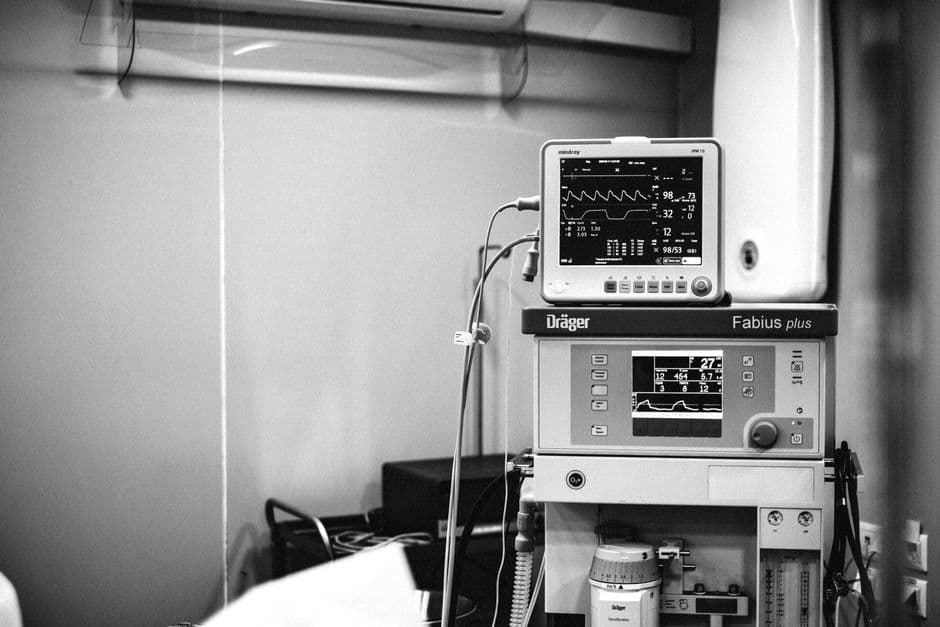
Wildfire smoke crossing Ontario into Toronto triggered a spike in respiratory complaints at major hospitals, forcing scientists and public health officials to confront a gap in their understanding of smoke-related mortality. Dr Erin O'Connor, who runs the emergency department at Toronto General, observed patients presenting with allergies and shortness of breath as the air quality deteriorated to hazardous levels – a pattern replicated across Canada's healthcare systems as fire weather intensifies.
The challenge is structural: epidemiologists struggle to isolate wildfire smoke as a cause of death because its health effects overlap with chronic conditions, air pollution from other sources, and pre-existing vulnerabilities. Unlike a sudden infectious outbreak, smoke exposure compounds existing illness; a patient with COPD or asthma may deteriorate fatally during a smoke event, but the recorded cause of death often reflects the underlying condition rather than the atmospheric trigger.
This measurement gap has real consequences. Insurance models, public health resource allocation, and climate adaptation planning all depend on quantifying the health burden of wildfire smoke. If the data remains fuzzy, the policy response stays proportionally weak. The Guardian piece signals that researchers are now racing to build better causal frameworks – but the work is methodologically messy and politically fraught, because precise numbers demand accountability from governments that have under-invested in air quality monitoring and hospital surge capacity.
As fire seasons lengthen and smoke travel distances expand, the question is no longer whether wildfire smoke kills. It's whether health systems and regulators will fund the epidemiology to prove it and act accordingly.