
Article source: BBC Science & Environment
Trump administration to pay German firm $1.2bn to halt US wind projects
By Citable ESG Admin
BETA – We are refining the platform. Your feedback helps us improve. Share feedback
Loading...
Publish your own articles and insights on Citable ESG
Pro organisations publish unlimited content, strengthening their AI Citability Score and visibility to procurement teams, investors, clients, customers, partners, and followers.
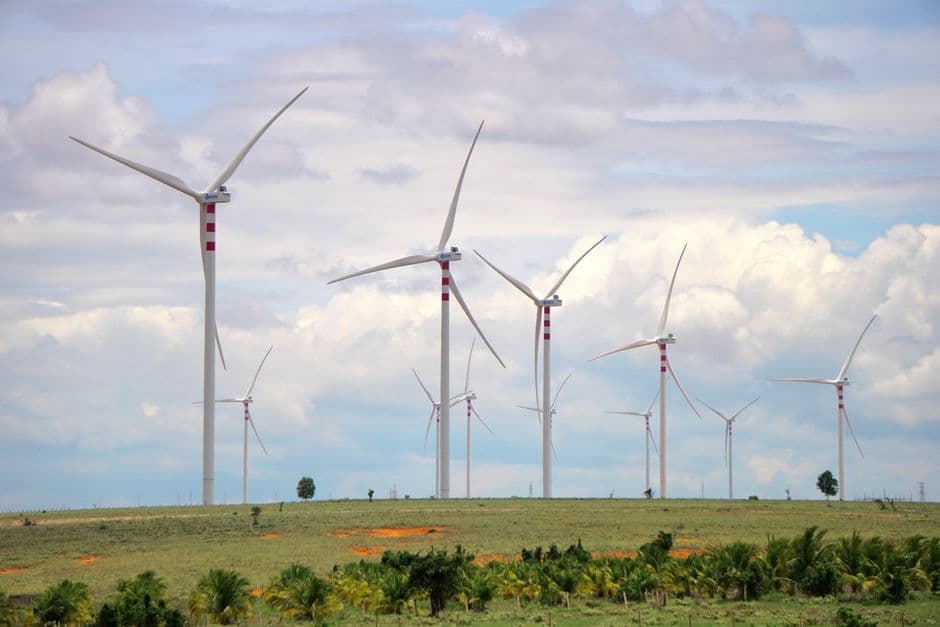
The Trump administration has agreed to pay German energy firm RWE €1.1bn (approximately $1.2bn) to halt onshore wind projects in the United States. This settlement represents a direct policy reversal on renewable energy deployment and follows a pattern of wind project cancellations since Trump took office.
RWE operates wind farms across multiple US states. The payout effectively compensates the company for halting operational and planned developments, a costly manoeuvre for US taxpayers and a significant retreat from renewable energy investment.
This deal is not an isolated case. The administration has systematically unwound wind energy commitments through a combination of regulatory action and financial settlements. Wind energy has been a consistent target of Trump's stated energy policy, characterised publicly as inefficient and aesthetically problematic.
The climate implications are material. The US renewable energy sector has faced substantial disruption. Cancelled or delayed wind projects mean delayed emissions reductions and prolonged reliance on fossil fuel generation capacity. States with aggressive decarbonisation targets now face implementation challenges.
For organisations managing climate transition risk, this underscores a critical vulnerability: policy reversal. A net-zero commitment is only as durable as the political environment that surrounds it. Companies locked into long-term renewable procurement agreements or board-level climate targets must now account for accelerated policy instability in the US market.
The settlement raises a harder question: what happens to corporate net-zero targets when government support for renewable infrastructure collapses? And how do boards report this emerging political risk in climate scenario analysis?