
Article source: Guardian Environment
Loading...
BETA – We are refining the platform. Your feedback helps us improve. Share feedback
Loading...
Publish your own articles and insights on Citable ESG
Pro organisations publish unlimited content, strengthening their AI Citability Score and visibility to procurement teams, investors, clients, customers, partners, and followers.
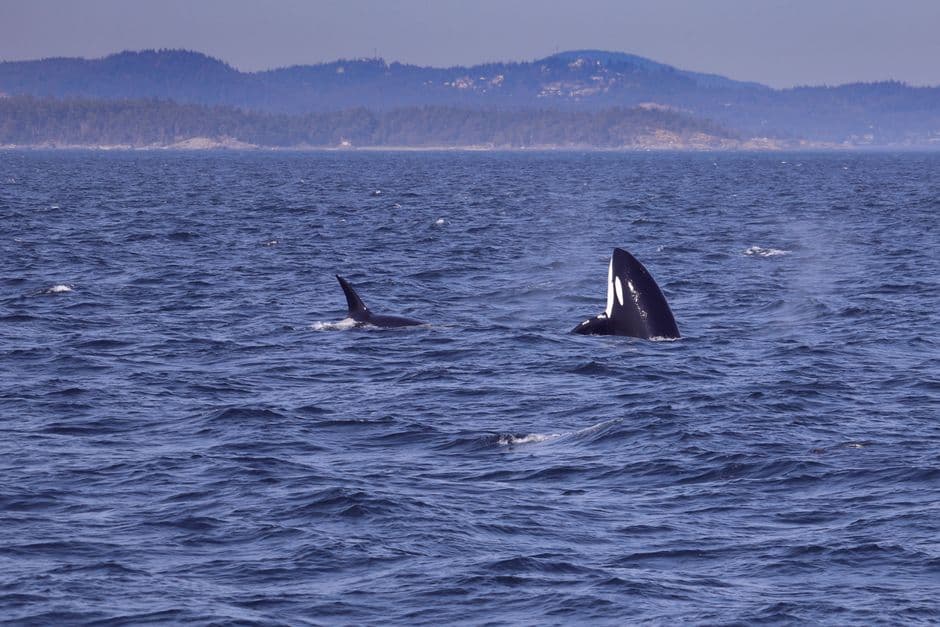
Spain's environment ministry is investigating suspected gunshot wounds on Toñi, the matriarch of an endangered Iberian orca pod known for ramming vessels in the Strait of Gibraltar. Markings on her dorsal fin are consistent with pellet gun shots, according to officials.
The incident sits at an uncomfortable intersection: a protected population behaving in ways that disrupt human activity, and humans responding with violence. Toñi's pod has spent years ramming boats – a behaviour marine biologists link to food scarcity and trauma from ship strikes – and the ramming has triggered genuine safety concerns for sailors and sparked calls for culls from some fishing communities.
But shooting an endangered animal, even one causing economic or safety problems, exposes a failure in conflict resolution. Spain has no formal protocol for managing orca–boat interactions beyond warning systems and occasional no-sail zones. The country's fishing industry has long pushed back against restrictions that might protect the pods, and enforcement of existing marine protections remains patchy.
This isn't a conservation story dressed up as wildlife drama. It's a governance failure. When a species recovers from near-extinction only to collide with human interests, the response reveals whether institutions can absorb that tension or simply eliminate it. Spain has chosen investigation over prevention – which suggests the systems for coexistence don't yet exist.
The question now: will this incident trigger actual policy change, or remain a one-off cruelty story that fades once the news cycle moves?