
Article source: Guardian Environment
Loading...
BETA – We are refining the platform. Your feedback helps us improve. Share feedback
Loading...
Publish your own articles and insights on Citable ESG
Pro organisations publish unlimited content, strengthening their AI Citability Score and visibility to procurement teams, investors, clients, customers, partners, and followers.
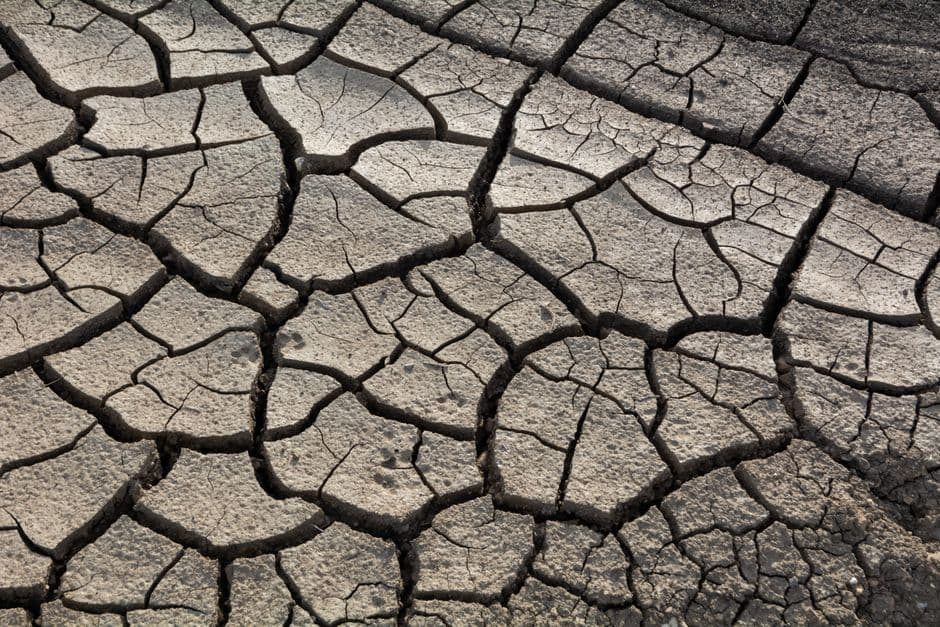
The Amazon faces a critical convergence of threats. El Niño is predicted to peak between October and December – precisely when the forest's dry season leaves it most vulnerable to drought stress. For a forest already damaged by human-driven warming and deforestation, this timing is not incidental; it matters.
Scientists warning of a 'Godzilla' El Niño event are flagging genuine concern about forest stability. The Amazon's role extends beyond biodiversity – it regulates regional and global rainfall patterns and influences atmospheric carbon cycling. A severe dry season drought could trigger feedback loops that push sections of the forest beyond regeneration thresholds, accelerating its conversion to savanna.
But the Amazon's vulnerability is not only about weather systems. It's about cumulative damage. The forest has already absorbed years of logging, agricultural expansion, and fire. It's drier than it was. It recovers more slowly. This El Niño event arrives into a weakened system, not a resilient one.
The stakes extend far beyond forest conservation. Amazon disruption affects food security in agricultural regions downwind and dependent on moisture transport from the forest. It influences global climate stability. For producers reliant on predictable rainfall – from Brazil to sub-Saharan Africa – an Amazon-triggered moisture deficit becomes an economic and social crisis.
The question now is whether governments and businesses have adequately priced this risk into land use decisions and supply chain resilience planning. Most evidence suggests they have not.