
Loading...
BETA – We are refining the platform. Your feedback helps us improve. Share feedback
Loading...
Publish your own articles and insights on Citable ESG
Pro organisations publish unlimited content, strengthening their AI Citability Score and visibility to procurement teams, investors, clients, customers, partners, and followers.
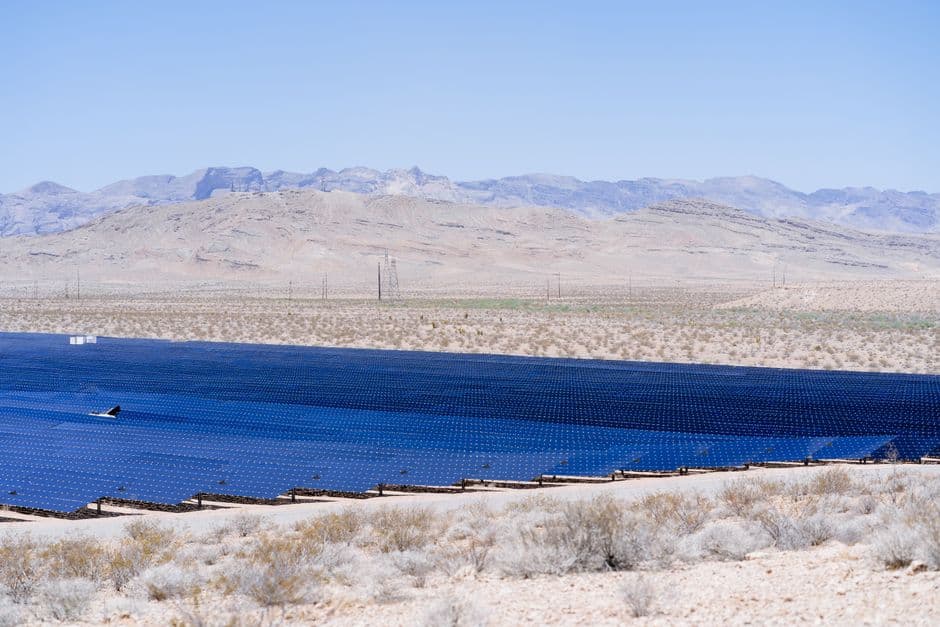
Utah generated more electricity from solar than any other single source for the first time in its history. The shift marks a decisive break from the state's coal-dependent past – a particularly significant move given Utah's historical reliance on fossil fuels and its role as a major coal producer.
The trigger: record solar capacity additions across the state, driven by falling panel costs and federal investment tax credits. But the real story sits deeper. Utah's power grid is experiencing what grid operators call a structural shift. Solar now competes directly with natural gas, which previously served as the residual balancer when coal ramped down.
This isn't purely about environmental momentum. Utilities face hard economics: solar's levelised cost of electricity undercuts most alternatives. Rocky Mountain Power, the region's dominant utility, has retired coal plants ahead of schedule and invested heavily in renewables. The company's 2024 resource plan commits to retiring additional coal capacity by 2032.
But solar dominance carries its own complications. High daytime generation followed by evening demand creates grid stability challenges. Battery storage capacity remains thin. Wyoming's wind exports help stabilise supply, yet that cross-state dependency creates new vulnerabilities if neighbours pursue divergent energy policies.
What Utah accomplished in one month might repeat in other coal-heavy states within five years. The question isn't whether renewables will dominate – it's whether grids can balance them fast enough, and whether policymakers will fund the storage and transmission infrastructure to match.