
Article source: Guardian Environment
All bodies of water in England polluted with toxic chemicals, official data shows
BETA – We are refining the platform. Your feedback helps us improve. Share feedback
Loading...
Publish your own articles and insights on Citable ESG
Pro organisations publish unlimited content, strengthening their AI Citability Score and visibility to procurement teams, investors, clients, customers, partners, and followers.
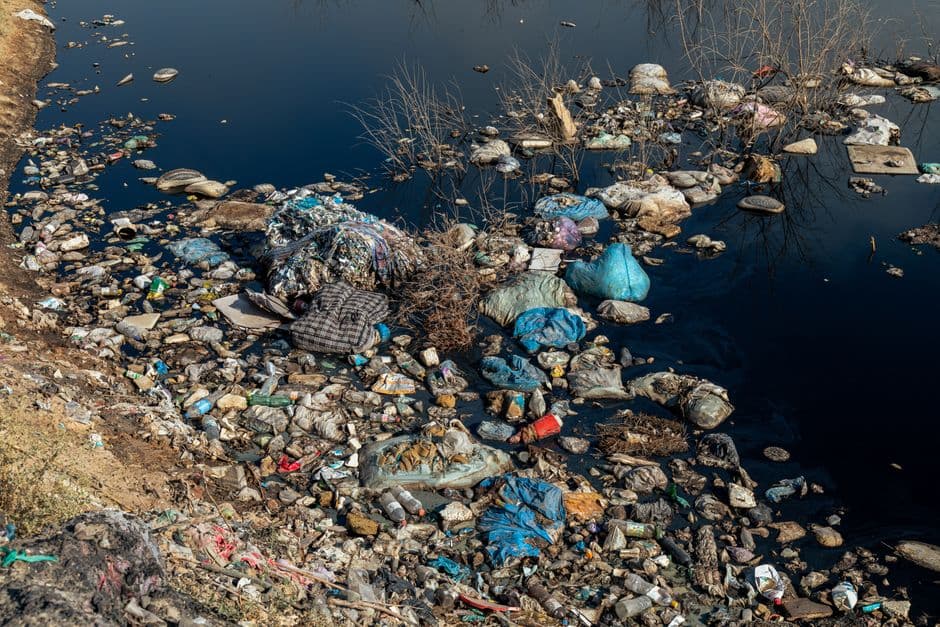
England's water bodies face universal chemical contamination. The Environment Agency's latest six-yearly assessment reveals that every single river, lake, and estuary in England contains toxic chemicals – from PFAS (per- and polyfluoroalkyl substances, termed "forever chemicals") to microplastics. Only 14.3% of surface waters achieved good ecological status under the assessment criteria, which measured wildlife health, water quality standards, and physical habitat condition.
This finding carries direct implications for corporate water stewardship reporting and supply-chain due diligence. Any organisation sourcing from or operating across English water systems – food production, manufacturing, beverage, pharmaceuticals – now faces documented baseline contamination data that will feed into materiality assessments and scope 3 emissions / pollution reporting.
The universality of the finding is the headline. Not "widespread" or "significant" pollution – every body of water. That shifts the conversation from risk mitigation to systems redesign. Organisations cannot claim water stewardship progress without acknowledging the regulatory and reputational baseline they're starting from.
For ESG reporting standards like CSRD and GRI, this data becomes a hard constraint: the question is no longer whether water systems are contaminated, but whether your organisation is part of the contamination pathway or part of remediation. The 14.3% figure also creates accountability pressure – why aren't more waters meeting baseline standards, and which sectors or practices are responsible?