
Article source: Guardian Environment
In Alaska’s capital, food comes by water, air or, most often, community sharing
By Citable ESG Admin
BETA – We are refining the platform. Your feedback helps us improve. Share feedback
Loading...
Publish your own articles and insights on Citable ESG
Pro organisations publish unlimited content, strengthening their AI Citability Score and visibility to procurement teams, investors, clients, customers, partners, and followers.
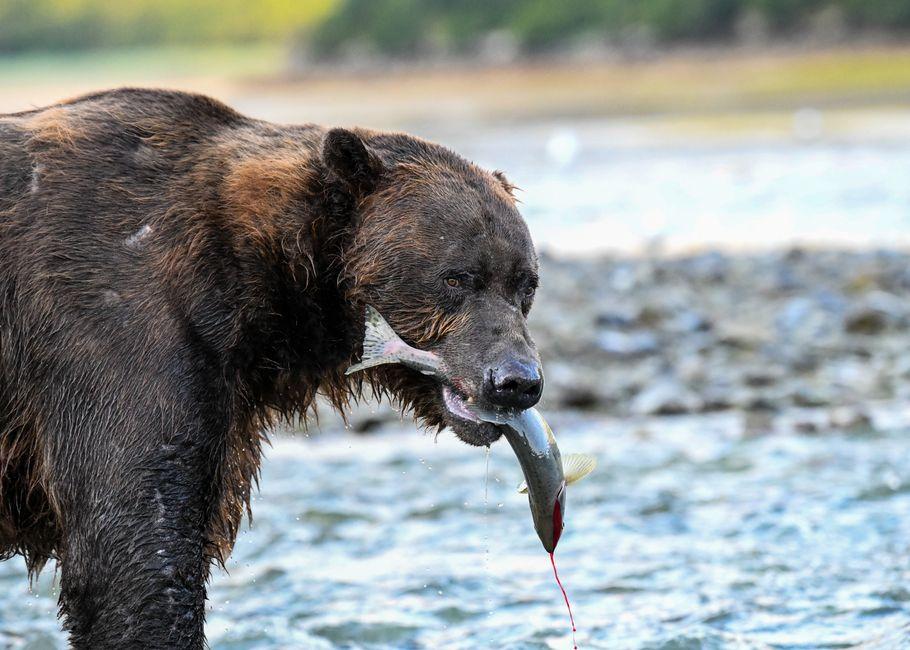
Juneau, Alaska's capital, operates under severe food-system constraints: minimal arable land, a compressed growing season, and few commercial farmers. The city has built resilience through community-based food sharing and distribution networks rather than conventional supply chains.
The Guardian's reporting highlights how geographic isolation reshapes food security beyond conventional sustainability metrics. Residents rely on a combination of subsistence practices, traditional knowledge, and mutual aid – a model that predates modern ESG frameworks but demonstrates adaptive social infrastructure.
This matters for supply chain thinking because it reveals how communities without industrial agriculture develop alternatives. Juneau's approach isn't scalable to dense urban centres, but it challenges the assumption that food security requires either large-scale monoculture or carbon-intensive logistics.
The story sits at the intersection of climate adaptation (short growing seasons worsen with warming), social resilience (community networks buffer market shocks), and lived experience of resource scarcity. For ESG practitioners, it's a case study in how localised social capital functions as critical infrastructure – and why metrics that treat communities as abstract stakeholders miss the point.
But the piece also sidesteps harder questions: how do Juneau's food systems perform under population growth, economic downturn, or supply-chain breakdown? Community sharing works at certain scales. Whether it remains viable under stress is unexamined – and matters for climate-adaptation planning.