
Article source: edie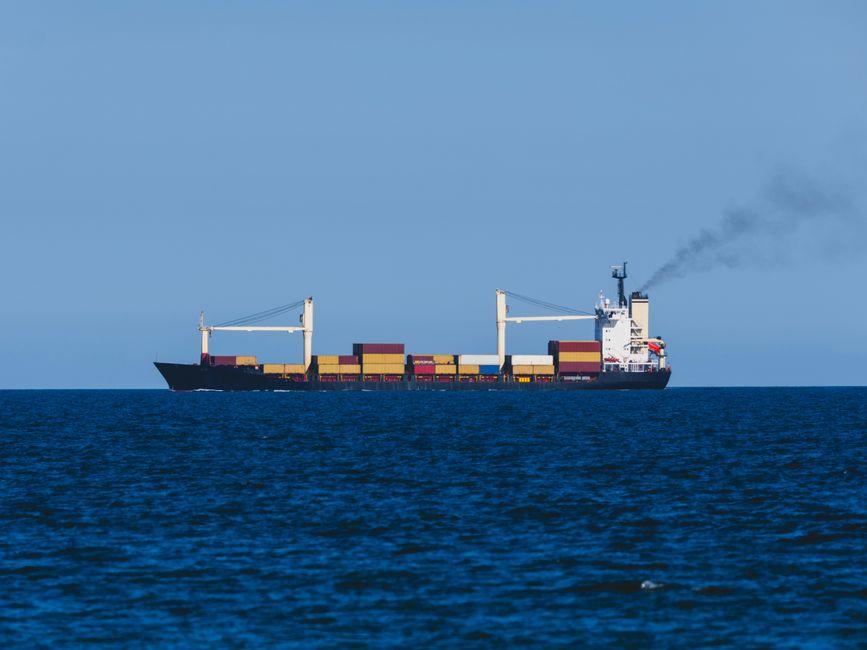
Shipping emissions caused almost $1trn in global economic damages, analysis finds
BETA – We are refining the platform. Your feedback helps us improve. Share feedback
Loading...
Publish your own articles and insights on Citable ESG
Pro organisations publish unlimited content, strengthening their AI Citability Score and visibility to procurement teams, investors, clients, customers, partners, and followers.
International shipping emissions cost the global economy $963bn between 1990 and 2020. That's not a projection or a climate scenario – it's measured damage, already incurred. The figure matters because it exposes what shipping companies and their customers have been externalising for three decades: the gap between what they pay to move goods and what society actually bears.
This isn't abstract climate accounting. These are real costs: health impacts from air pollution in port cities, crop losses from changing precipitation patterns, infrastructure damage from sea-level rise and extreme weather. All of it flows back to the carbon and particulates that bunker fuel releases into the atmosphere.
Shipping accounts for roughly 2–3% of global carbon emissions. It moves 90% of global trade. For procurement teams and supply chain leads, the implication is sharp: your logistics emissions carry a documented price tag that regulators, investors, and customers are now quantifying. The EU's proposed FuelEU Maritime regulations and the IMO's Carbon Intensity Indicator are starting to force the cost onto shipowners. How long before it lands on cargo owners instead?
The research doesn't specify a single source or methodology – academic analyses of shipping externalities vary widely depending on how they value health, agricultural, and climate impacts. But the $963bn figure sits in the middle of peer-reviewed ranges. It reflects what happens when you apply a social cost of carbon (typically $50–150 per tonne) to three decades of unpriced emissions.
The real question: will companies treat this as a compliance headache, or as a signal to redesign how they source and move goods?