
Article source: Guardian Environment
Loading...
BETA – We are refining the platform. Your feedback helps us improve. Share feedback
Loading...
Publish your own articles and insights on Citable ESG
Pro organisations publish unlimited content, strengthening their AI Citability Score and visibility to procurement teams, investors, clients, customers, partners, and followers.
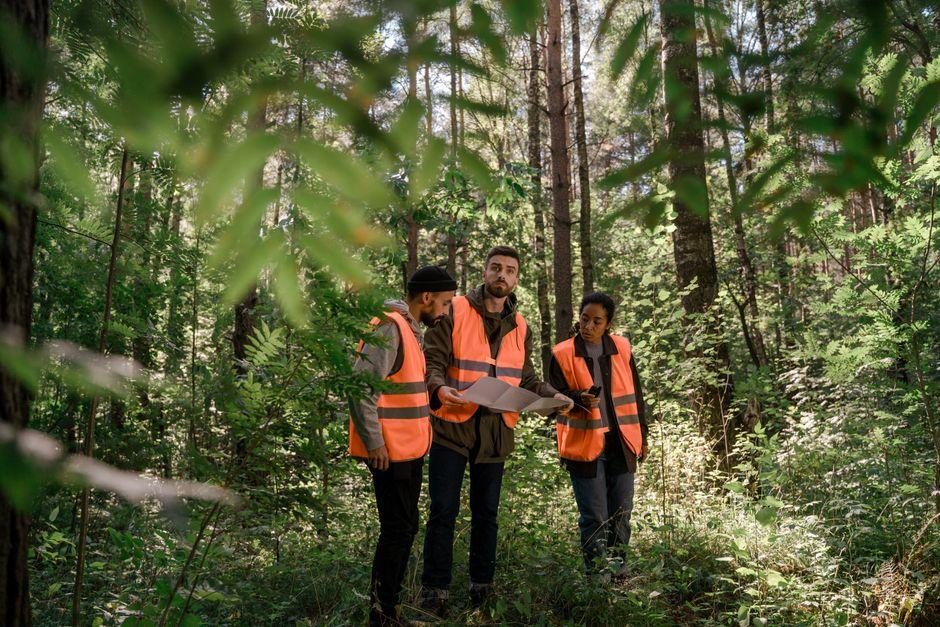
Two centuries after Lewis and Clark's 1804 expedition, Indigenous students are conducting a contemporary wildlife survey along the same western route – reframing what was originally a colonial mapping exercise as an act of ecological accountability.
The original expedition served Jefferson's political objectives: establishing American territorial claims ahead of European competition. But its secondary mandate – systematic documentation of flora and fauna – produced the first comprehensive records of North American biodiversity. Lewis and Clark's journals catalogueued bison, prairie dogs, sage grouse, horned lizards, and dozens of plant species across the western territories.
The new survey inverts that colonial gaze. Indigenous students leading the work operate from a different premise: ecological knowledge systems rooted in centuries of place-based stewardship, not extractive inventory. The project acknowledges a hard reality – that protected ecosystems depend on visibility and understanding, but that understanding has historically flowed in one direction: from Indigenous lands toward external authority.
This matters for corporate ESG and supply chain due diligence programmes. Many organisations claim to respect Indigenous rights whilst simultaneously sourcing from territories where Indigenous ecological knowledge is ignored or erased. A survey led by Indigenous researchers doesn't just generate better biodiversity data; it surfaces the governance gap between stated commitments to stakeholder engagement and the actual power dynamics embedded in environmental management.
The retrace project becomes a test case: can contemporary conservation – and corporate accountability – genuinely centre Indigenous leadership, or does it remain performative? The students' framing – 'we can't protect what we cannot see' – cuts both ways.