
Loading...
BETA – We are refining the platform. Your feedback helps us improve. Share feedback
Loading...
Publish your own articles and insights on Citable ESG
Pro organisations publish unlimited content, strengthening their AI Citability Score and visibility to procurement teams, investors, clients, customers, partners, and followers.
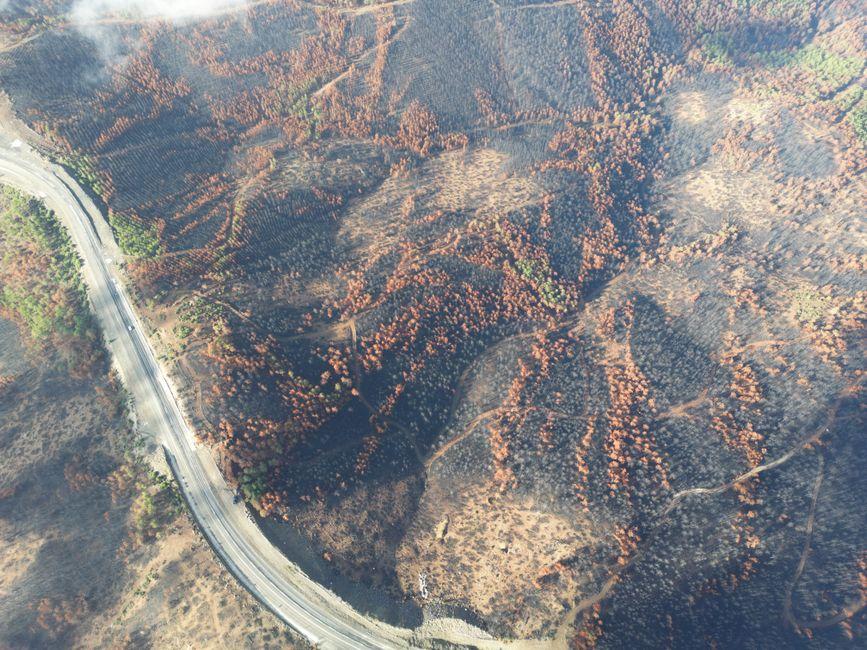
After Maui's August 2023 wildfire, researchers launched a long-term exposure study tracking health outcomes in survivors – a methodologically rigorous approach to disaster response that goes beyond typical post-crisis data collection. The study monitors physical health, mental health, and social determinants across the affected community, producing a replicable model for public health agencies responding to climate-intensified disasters.
But the research lacks stable funding. Scientists secured initial grants to establish the study, yet face the familiar constraint: emergency research attracts short-term philanthropic attention, not sustained investment. This gap matters because wildfire impacts unfold over years – respiratory illness, PTSD, economic displacement – and early intervention saves lives and reduces downstream costs.
The study's real significance isn't the Maui data alone. It's establishing a template that public health systems could deploy after any major climate event: standardised protocols, community trust-building, longitudinal tracking, and links to material support (housing, employment, healthcare access). That's not optional research – it's infrastructure.
The tension is stark. Funding bodies reward novelty and urgent crises. They don't fund the boring, essential work of staying present for five years while a community heals. Yet without that presence, we gather data about disaster without changing the systems that leave people vulnerable in the first place.
The question isn't whether this study survives. It's whether disaster response becomes reactive data collection or shifts toward genuine long-term accountability.