
Article source: Guardian Environment
Loading...
BETA – We are refining the platform. Your feedback helps us improve. Share feedback
Loading...
Publish your own articles and insights on Citable ESG
Pro organisations publish unlimited content, strengthening their AI Citability Score and visibility to procurement teams, investors, clients, customers, partners, and followers.
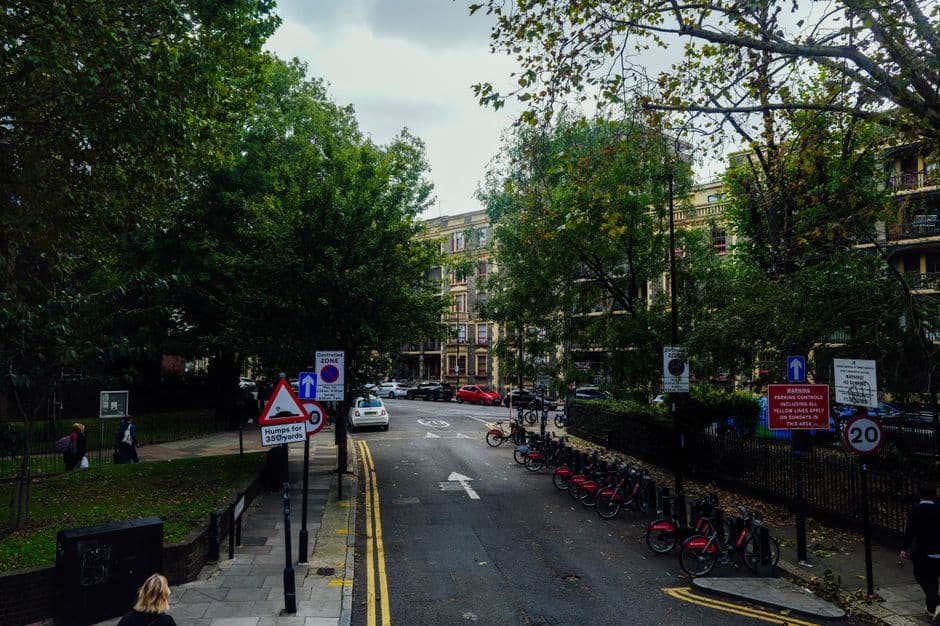
London's ultra-low emission zone (Ulez) has delivered measurable health gains in its first five years of operation – a rare instance where a major city-wide policy produced quantifiable outcomes rather than rhetoric. The scheme, expanded to cover the entire city by 2023, cut air-pollution-related deaths by an estimated 40% between 2019 and 2024, according to Imperial College London research. A new independent study from Queen Mary University of London published this week shows the policy is also improving lung capacity and function in children across the capital.
This matters because Ulez proves that aggressive air-quality regulation works – and that political opposition to such measures often evaporates once the data arrives. When introduced in central London in 2019, the scheme faced fierce resistance, including from political parties and motoring organisations. The 2021 and 2023 expansions triggered similar backlash. That opposition has largely quietened as evidence accumulated.
The health dividend here is neither marginal nor delayed. Children breathing cleaner air show measurable improvements in pulmonary function – not theoretical benefits but observable changes in their bodies. That's the opposite of greenwashing; it's a policy that survived its critics because it delivered.
What remains unclear is replicability. London has resources, political latitude, and geographic constraints that most cities lack. The question for other urban centres isn't whether Ulez works in London – the data now says it does – but whether they can build the political capital and infrastructure to impose similar charges before their critics gain enough momentum to block implementation. Few cities have Khan's tenure or London's pollution problem to justify the fight.