
Article source: Guardian Environment
Loading...
BETA – We are refining the platform. Your feedback helps us improve. Share feedback
Loading...
Publish your own articles and insights on Citable ESG
Pro organisations publish unlimited content, strengthening their AI Citability Score and visibility to procurement teams, investors, clients, customers, partners, and followers.
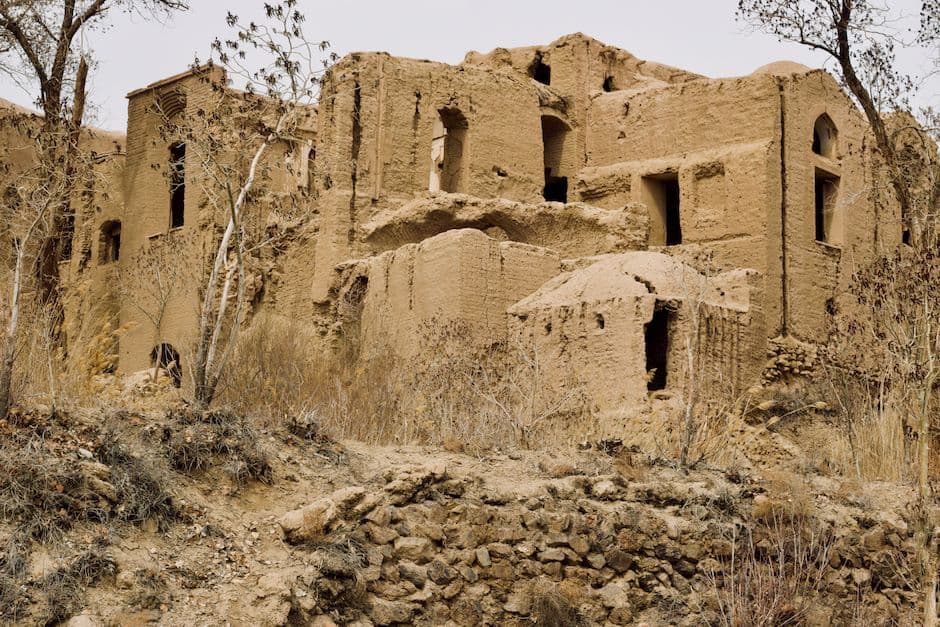
Northern Iraq's post-conflict recovery is stalling. Nine years after Islamic State withdrew, villages across Sinjar district remain depopulated – not because of security threats, but because the climate crisis has made survival harder than displacement. Extreme heat and severe water shortage now define daily life in settlements like Faka, where returning residents face failed harvests, drained wells, and zero economic opportunity.
This is a climate-driven humanitarian crisis masquerading as a security problem. Rajab Mohammed and other returnees report that water scarcity has become the primary barrier to resettlement. Local agriculture, already weakened by years of conflict, cannot compete with regional heat stress and aquifer depletion. Without water security or livelihood pathways, families who survived IS occupation are choosing exile over return – a slow-motion displacement driven by environmental conditions.
The story exposes a critical blind spot in conflict recovery planning. Reconstruction frameworks typically prioritise security and physical infrastructure; climate vulnerability assessment rarely enters the conversation. Yet in water-stressed regions of the Levant and Iraq, where temperatures now regularly exceed 50°C, post-conflict stabilisation without climate adaptation is temporary theatre.
This also signals a harder question: as climate impacts intensify across the Middle East, will climate-driven migration outpace and undermine political progress on refugee return and peacebuilding? Northern Iraq is a test case. If returnee communities cannot access water or income, no amount of security gains will hold.