
Article source: Guardian Environment
Loading...
BETA – We are refining the platform. Your feedback helps us improve. Share feedback
Loading...
Publish your own articles and insights on Citable ESG
Pro organisations publish unlimited content, strengthening their AI Citability Score and visibility to procurement teams, investors, clients, customers, partners, and followers.
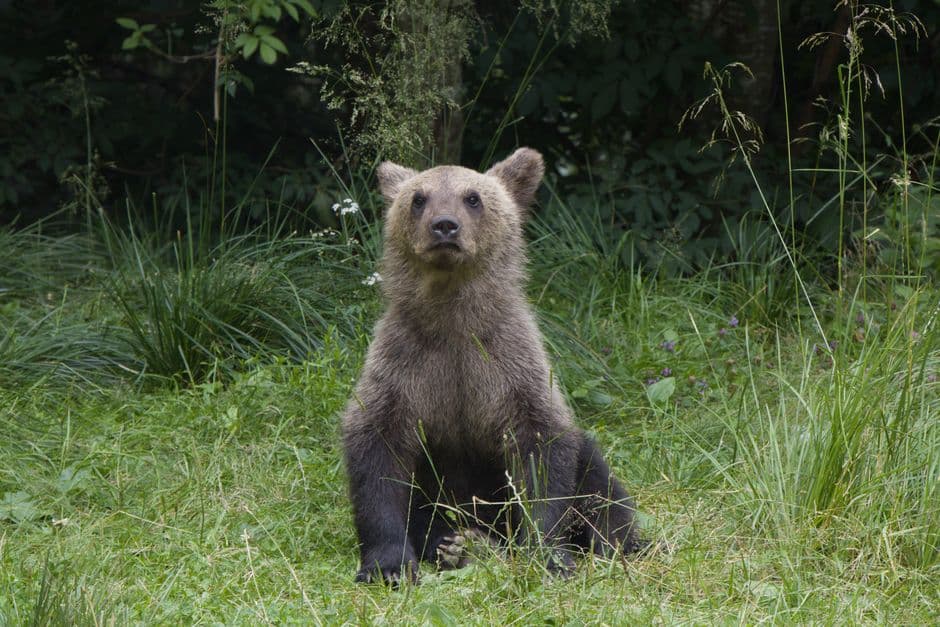
Twelve orphaned grizzly bear cubs were released into British Columbia's wilderness after rehabilitation. Within a year, ten were dead. The cubs had been fed high-calorie diets of roadkill, watermelon, and dog food – a regimen impossible to replicate in the wild. Dr Lana M Ciarniello, the lead researcher, describes the approach as a 'feelgood thing' that masks a hard truth: humans are poor substitutes for maternal bears, and release without post-release monitoring is abandonment.
The study exposes a gap between wildlife conservation intention and outcome. Public sentiment favours orphan rescue; the infrastructure to ensure survival does not. Cubs raised by humans learn to approach people and vehicles for food – a direct path to conflict and death. Ciarniello notes the perception that bears will automatically thrive once caged doors open ignores the reality of behavioural imprinting and nutritional dependency.
This matters beyond bear welfare. It signals how conservation programmes can generate reputational returns for organisations while delivering poor results for animals. The 'feelgood' framing – donors contributing snacks, media coverage of releases – obscures follow-up failure. If you're funding or running a wildlife rehabilitation programme, the question is blunt: are you measuring post-release survival, or just measuring the release itself?