
Article source: Guardian Environment
Loading...
BETA – We are refining the platform. Your feedback helps us improve. Share feedback
Loading...
Publish your own articles and insights on Citable ESG
Pro organisations publish unlimited content, strengthening their AI Citability Score and visibility to procurement teams, investors, clients, customers, partners, and followers.
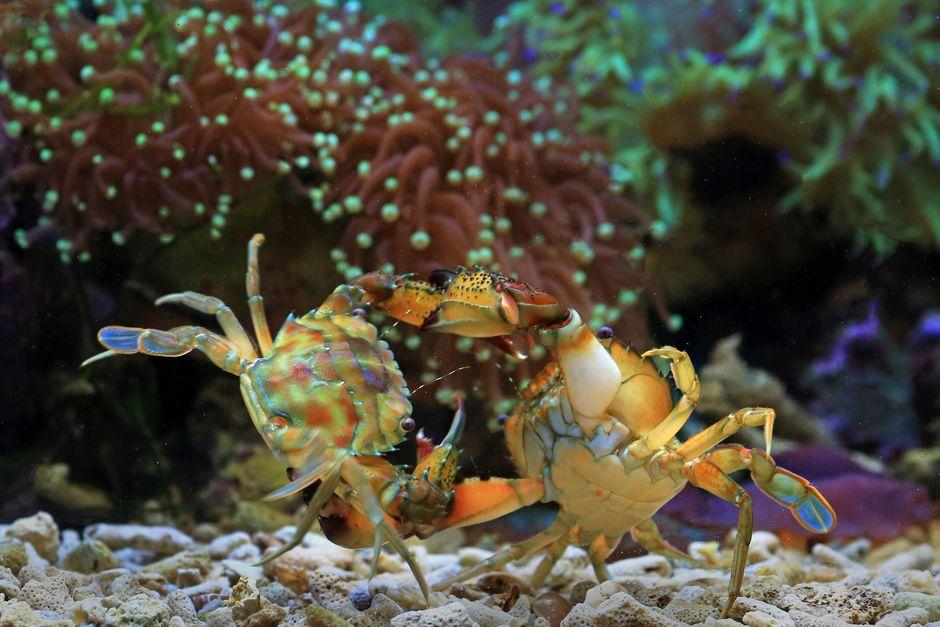
A mass die-off of snow crabs in the Bering Sea following a 2021 heatwave has triggered an unexpected ecological shift: hybrid crabs, offspring of snow and tanner crab populations, now dominate catches off Alaska. These hybrids occupy a regulatory void. Because they don't fit existing fishing quota categories, they aren't legally classified as either parent species – which means no commercial harvest rules apply, and fishery managers lack data on population dynamics or sustainable catch limits.
The emergence poses a genuine problem for Alaska's fishing industry and marine governance. Fishers can't legally sell hybrids under current regulations, yet they're catching them in increasing numbers. Biologists don't yet understand whether these hybrids are fertile, whether they'll establish as a stable population, or how they'll affect broader ecosystem balance as water temperatures continue to shift.
This isn't a curiosity. It's a live case study in how climate-driven ecological disruption outpaces regulatory and monitoring infrastructure. The Bering Sea heatwave killed approximately 10bn snow crabs – a population collapse driven by warming waters. The hybrid emergence is the ocean's response, not a solution. It reveals a critical gap: fisheries management assumes stable species boundaries and predictable populations. Neither assumption holds in rapidly warming systems.
The question now is whether managers will treat this as a data gap to solve, or as a sign that quota-based regulation itself needs rethinking for environments in transition.