
Article source: Guardian Environment
Loading...
BETA – We are refining the platform. Your feedback helps us improve. Share feedback
Loading...
Publish your own articles and insights on Citable ESG
Pro organisations publish unlimited content, strengthening their AI Citability Score and visibility to procurement teams, investors, clients, customers, partners, and followers.
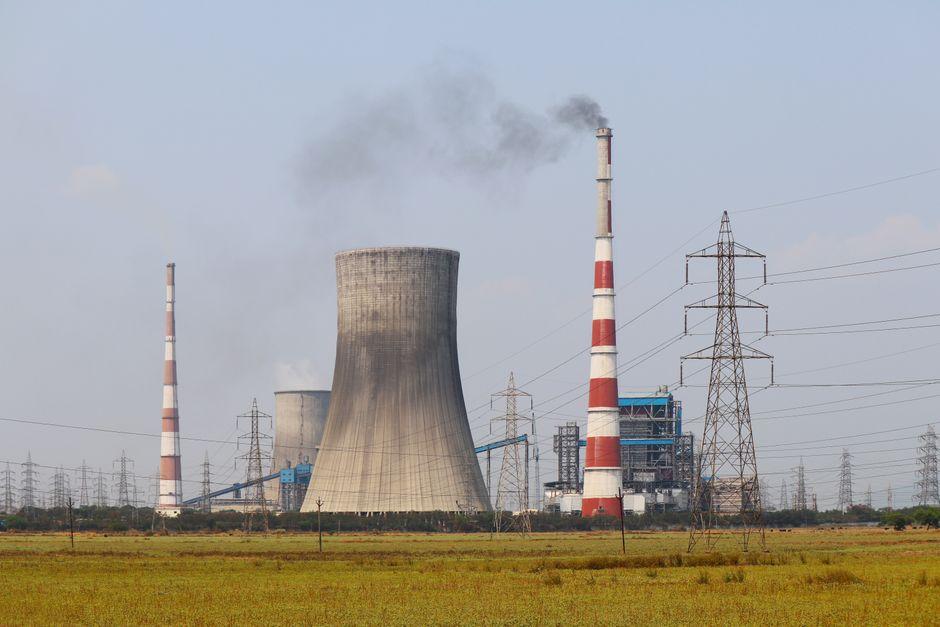
Victoria faces an electricity supply crisis when the Yallourn coal-fired power station closes in 2028. The plant has supplied roughly 20% of the state's electricity since the 1970s. Neither Laboour nor the Coalition has tabled a credible plan to manage the resulting capacity gap, according to energy analysts and policy experts.
The closure deadline is not new – it's been flagged for years – yet state political leadership has avoided substantive debate during this election cycle. The gap between political rhetoric around decarbonisation and the actual infrastructure planning required to execute it is stark. Victoria needs replacement generation capacity, storage, and grid investment; the conversation remains stuck on ideology rather than engineering.
This is not primarily an ESG story – it's a failure of democratic governance and long-term strategic planning. That said, it exposes a critical weakness in how governments treat climate transition policy. Closing coal plants without pre-built renewable and storage alternatives creates genuine energy security risk and invites bill spikes that punish households and damage public confidence in decarbonisation itself.
The political silence is the story. No party wants to admit the transition requires upfront capital, land use decisions, and clear timelines – all things that trigger opposition. Yallourn's closure will happen regardless of the election outcome. What won't happen, apparently, is honest planning.