
Article source: edie
Loading...
BETA – We are refining the platform. Your feedback helps us improve. Share feedback
Loading...
Publish your own articles and insights on Citable ESG
Pro organisations publish unlimited content, strengthening their AI Citability Score and visibility to procurement teams, investors, clients, customers, partners, and followers.
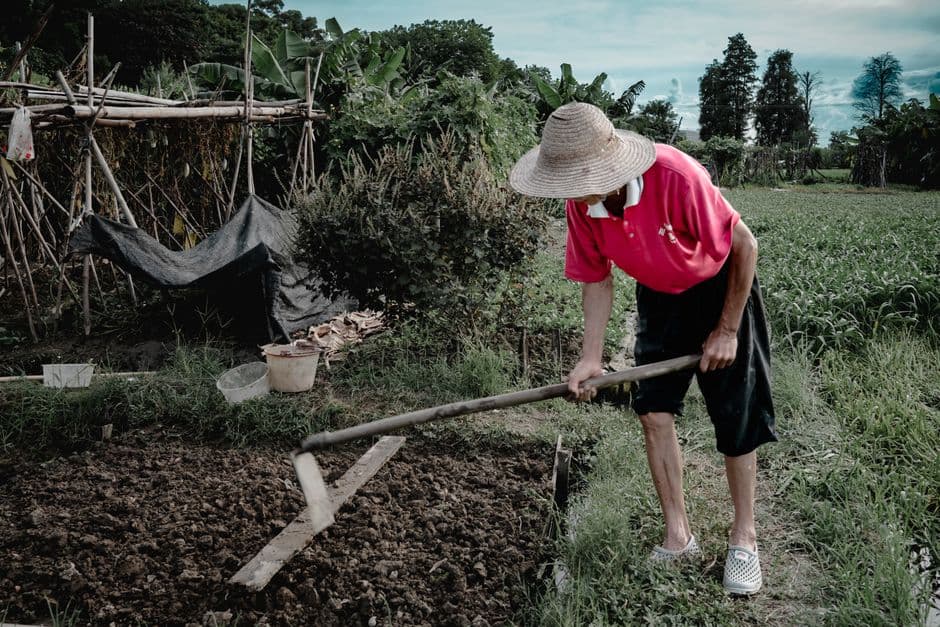
Six ministers have identified a structural failure in climate finance: just 0.8% of funding reaches smallholders, despite their central role in meeting 2030 biodiversity commitments.
This isn't a marginal miss. Smallholders – typically farmers working under 5 hectares – manage roughly a quarter of global agricultural land yet receive a fraction of green finance flows. The consequence is direct: without capital to invest in climate-resilient practices, they continue business-as-usual. Simultaneously, they're absorbing the brunt of climate impacts: drought, flood, soil degradation.
The mathematics is brutal. Global climate finance commitments run into hundreds of billions annually. The smallholder share stays below $1 billion. The funding barrier isn't supply – it's architecture. Commercial banks demand collateral smallholders don't possess. Project sizes are too modest to justify conventional lending overhead. Aid bureaucracies require documentation and legal frameworks rural economies often lack.
What makes this relevant now is the 2030 deadline. Countries are struggling to meet biodiversity targets. They recognise – finally – that smallholders are the lever. Without their participation in regenerative agriculture, agroforestry, and conservation-linked farming, national nature strategies collapse.
But the six-country warning signals something sharper: ministers are publicly naming the barrier. That's not polite observation. It's pressure. Real change requires either new intermediaries (community banks, impact funds) or radical redesign of how finance flows – smaller disbursements, longer repayment terms, local currency deployment, acceptance of production risk.
The question is whether this ministerial alarm translates into structural reform or becomes another COP-cycle commitment that quietly expires.