
Mini-gardens for bees on bus stop roofs approved
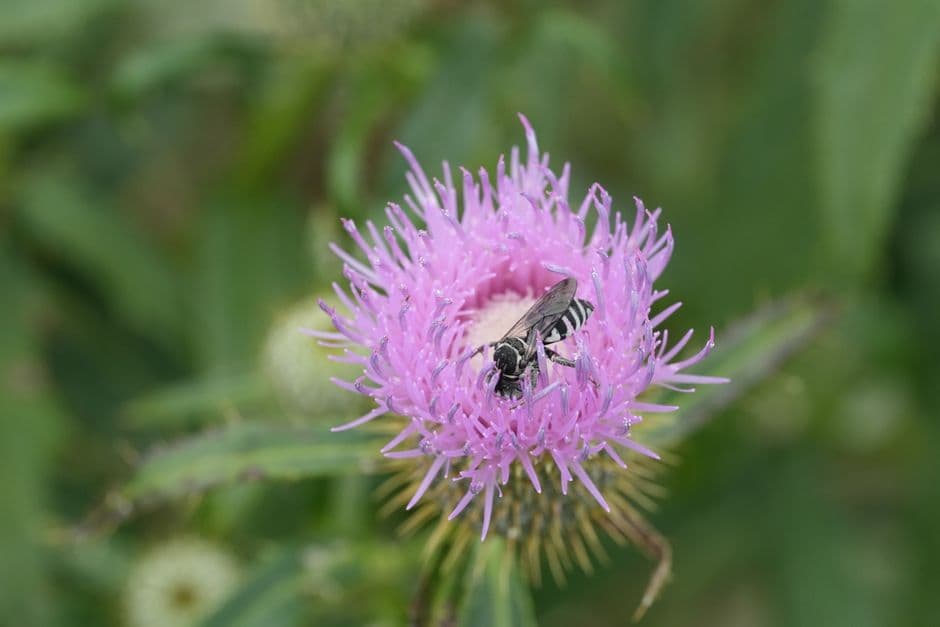
A new bus stop contract will mandate the installation of green roofs designed to support pollinator populations in urban settings. Living Roofs – shallow planted structures installed on bus shelters – represent a pragmatic approach to embedding nature into existing infrastructure rather than treating biodiversity as an optional add-on.
The scheme addresses a genuine gap: urban areas are hostile to bees and other pollinators, and conventional hard landscaping accelerates this decline. By colonising otherwise dead space on bus stops, these mini-gardens create foraging habitat and nesting sites without competing for land or requiring planning exceptions.
The approval signals a shift in how transport operators think about their environmental footprint – less as carbon reduction alone, more as habitat contribution. But there are questions worth asking before rollout: Will the roofs be properly maintained? What species of plants will be used, and are they native? How will performance be measured – is this genuine biodiversity gain or performative greening? Living roof schemes often require consistent watering and weeding; neglected installations become liabilities.
The scale matters too. Individual bus stops will not reverse pollinator decline. Real impact demands integrated policy: pesticide reduction in parks, protection of wildflower verges, connectivity between green spaces. Bus stop gardens are not a substitute for these systemic changes.
If executed with horticultural rigour and embedded in a wider urban ecology strategy, this becomes credible. If it's a one-off contract without accountability, it risks being greenwashing with wings.