
Article source: BBC Science & Environment
Loading...
BETA – We are refining the platform. Your feedback helps us improve. Share feedback
Loading...
Publish your own articles and insights on Citable ESG
Pro organisations publish unlimited content, strengthening their AI Citability Score and visibility to procurement teams, investors, clients, customers, partners, and followers.
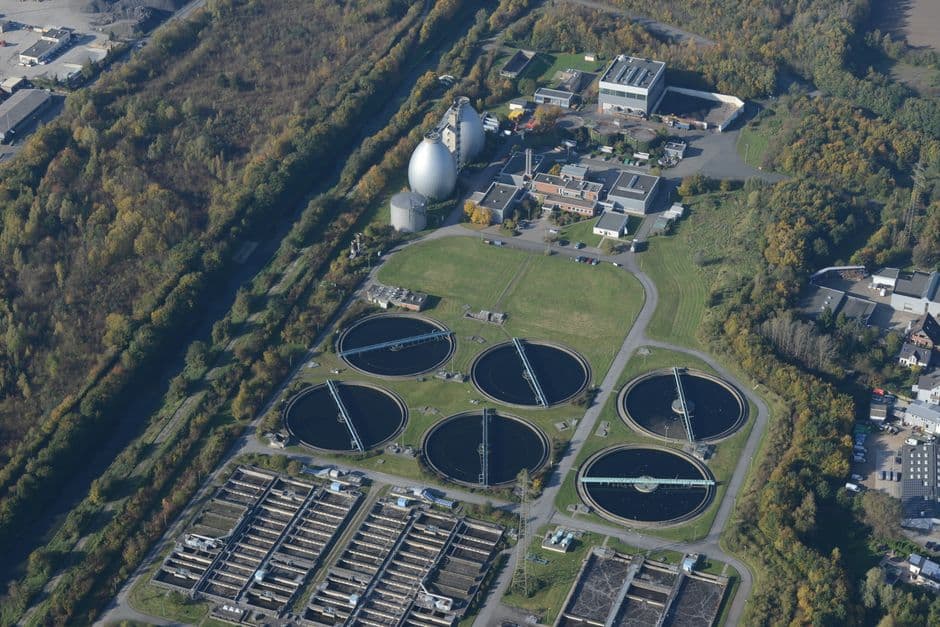
England's water companies continue to fail environmental performance despite the sector receiving £5 billion in investment. All but one operator received a "poor" or "requiring improvement" rating against environmental targets, signalling that capital spend alone does not drive compliance or behaviour change.
This matters because water utilities are monopoly infrastructure providers – their performance directly affects both public health and ecosystem quality across entire regions. The gap between investment and outcome suggests either that money is misdirected, accountability mechanisms are weak, or both.
The ratings come at a moment when UK water regulation faces real pressure. Sewage discharge into rivers has become a political flashpoint; consumer trust in the sector is fractured; and the Environment Agency's capacity to enforce standards remains constrained. Companies that fail environmental targets face reputational risk, regulatory scrutiny, and potential financial penalties – yet the pattern persists.
For ESG investors and procurement teams, this raises a hard question: what does it mean when a capital-intensive, regulated utility can absorb billions in funding and still miss basic environmental standards? It suggests that governance structures – board accountability, executive remuneration tied to outcomes, transparent reporting of progress – may not be functioning as designed.
The question now is whether regulators will enforce meaningful consequences, or whether the sector will treat this as a warning to absorb and then continue incrementally. One company's success against the rating suggests the others' failure is not inevitable.