
Article source: Guardian Environment
Loading...
BETA – We are refining the platform. Your feedback helps us improve. Share feedback
Loading...
Publish your own articles and insights on Citable ESG
Pro organisations publish unlimited content, strengthening their AI Citability Score and visibility to procurement teams, investors, clients, customers, partners, and followers.
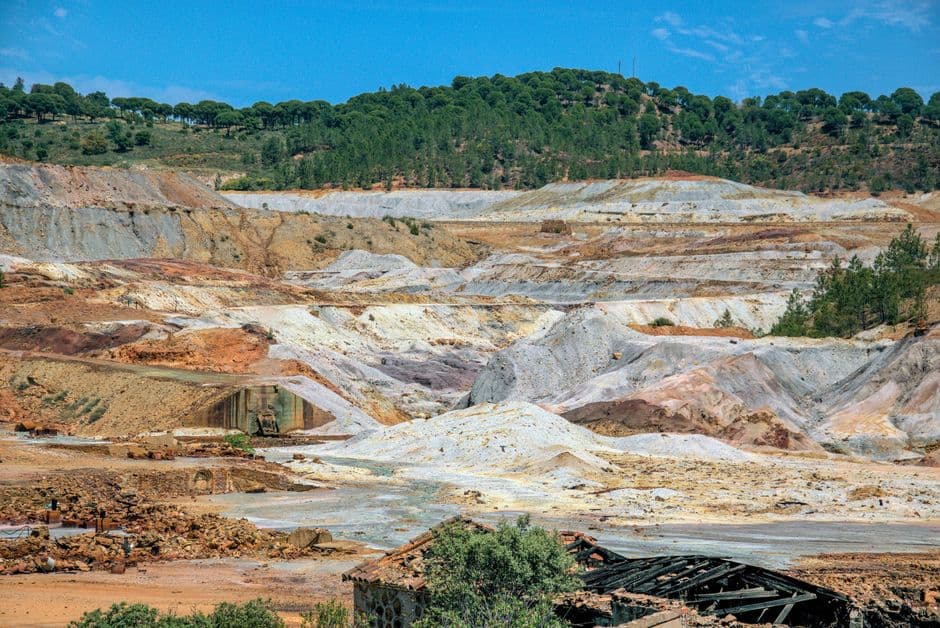
Illegal gold mining around Johannesburg is accelerating as commodity prices rise, leaving environmental and social damage in its wake. The practice, known locally as zama zama mining, involves unregulated extraction from abandoned shafts – often in townships where enforcement is weak and risk tolerance among workers is high. Cora Bailey, who runs a community animal welfare charity in Roodepoort, has documented escalating activity since the 1990s, with illegal miners now operating across from her facility.
The scale of illegal mining in South Africa reflects a gap between extractive supply chains and due diligence. Gold buyers – particularly in jewellery and electronics – rarely track provenance to this granular level, meaning artisanal and illegal extraction remains financially viable despite environmental costs: sinkholes destabilise land, water contamination follows, and labour conditions are hazardous and unmonitored.
Police action has proven ineffective, according to the reporting. Without robust supply-chain verification – chain of custody documentation, third-party audits, or mandatory origin declarations – demand from formal markets indirectly sustains illegal operations. The Guardian's framing positions this as a governance and enforcement failure, not merely criminal activity.
For ESG teams in gold-dependent sectors (jewellery, electronics, financial), this exposes a material risk: supply-chain due diligence gaps can mask human-rights violations and environmental damage occurring in extractive zones where regulation is weak or complicit.