
Article source: ESG Today
NBIM Acquires $300 Million Stake in Aypa Power in First Direct Battery Storage Investment
By Citable ESG Admin
BETA – We are refining the platform. Your feedback helps us improve. Share feedback
Loading...
Publish your own articles and insights on Citable ESG
Pro organisations publish unlimited content, strengthening their AI Citability Score and visibility to procurement teams, investors, clients, customers, partners, and followers.
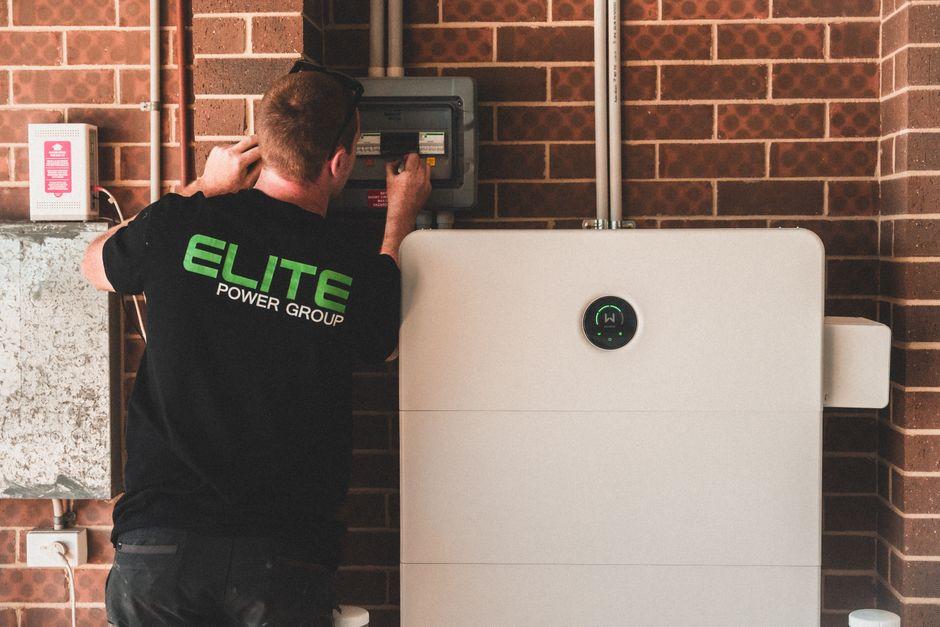
Norges Bank Investment Management (NBIM) deployed $300 million into Aypa Power, marking its first direct investment in battery storage infrastructure. The move signals a strategic pivot within Norway's sovereign wealth fund – the world's largest, managing $2 trillion in assets – toward energy transition infrastructure beyond traditional renewable generation.
Battery storage sits at the centre of grid decarbonisation. As renewable capacity expands, storage becomes the critical balancing asset; without it, intermittency constrains deployment. NBIM's direct entry into this space, rather than indirect exposure through utilities or renewables developers, suggests confidence in storage economics and a longer-term commitment to infrastructure ownership.
The investment reflects a broader institutional pattern: sovereign wealth funds and pension schemes are moving from ESG screening and divestment into active infrastructure allocation. Direct stakes in power assets – whether storage, transmission, or renewable generation – carry execution risk that passive portfolio approaches sidestep. NBIM has the capital and time horizon to absorb that risk.
Aypa Power operates battery systems in Europe. The specific portfolio composition, duration contracts, and regulatory jurisdictions matter considerably for return and impact profile – data the announcement does not clarify. Without those details, the investment reads as opportunistic capital allocation rather than a deliberate climate strategy.
The question now: does NBIM's entry stimulate broader institutional appetite for battery infrastructure, or does it reflect a narrow, high-conviction thesis among two parties? If storage deployment accelerates because financing barriers fall, the impact compounds. If this remains isolated institutional cheque-writing, the signal is weaker.