
Article source: BBC Science & Environment
Loading...
BETA – We are refining the platform. Your feedback helps us improve. Share feedback
Loading...
Publish your own articles and insights on Citable ESG
Pro organisations publish unlimited content, strengthening their AI Citability Score and visibility to procurement teams, investors, clients, customers, partners, and followers.
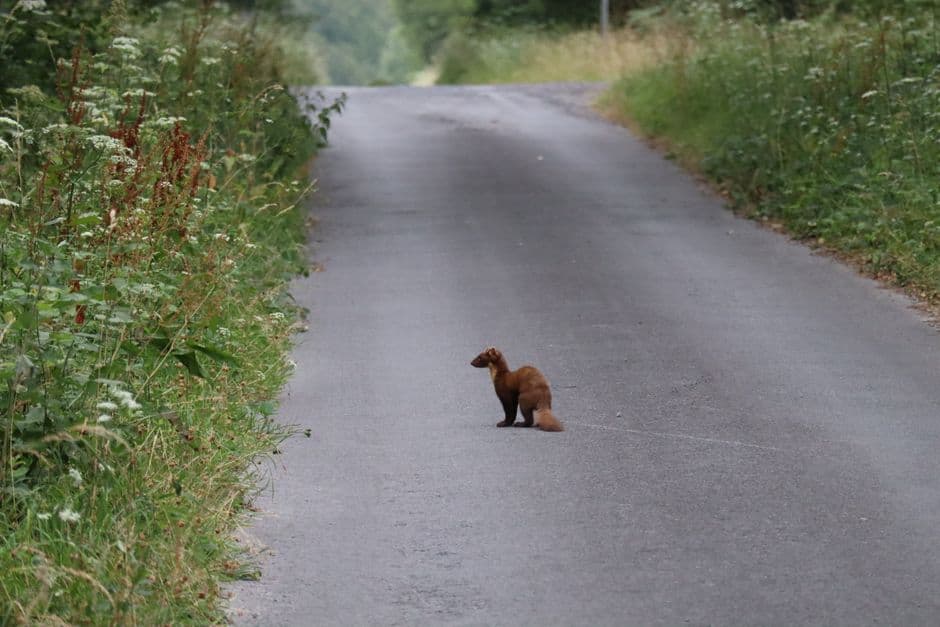
Nineteen pine marten kits were born on Exmoor this spring – the first wild births in the area for a century. The Two Moors Pine Marten Project introduced nine females and ten males to the moorland ecosystem last year, and their successful reproduction marks a tangible win for species recovery in the UK.
Pine martens are native carnivores that were hunted to regional extinction across most of Britain by the early 1900s. They remain absent from southern England, making Exmoor a significant reintroduction zone. The project operates across Devon and Somerset, with the broader aim of rebuilding populations that support ecosystem balance – pine martens are natural controllers of grey squirrels, an invasive species that damages forestry.
This birth cohort demonstrates that reintroduced populations can establish themselves without permanent human management. But success isn't guaranteed. Survival rates depend on habitat quality, food availability, and continued protection from illegal trapping or persecution. The project will need to track juvenile mortality, range expansion, and longer-term population stability.
For organisations working on biodiversity restoration or nature-based solutions, this case illustrates both the potential and the patience required. Reintroduction programmes operate on multi-decade timescales. They also highlight a harder question: whether habitat recovery – securing the moorland itself – can keep pace with species reintroduction. Without addressing landscape health, even successful breeding becomes fragile.