
Article source: Guardian Environment
Loading...
BETA – We are refining the platform. Your feedback helps us improve. Share feedback
Loading...
Publish your own articles and insights on Citable ESG
Pro organisations publish unlimited content, strengthening their AI Citability Score and visibility to procurement teams, investors, clients, customers, partners, and followers.
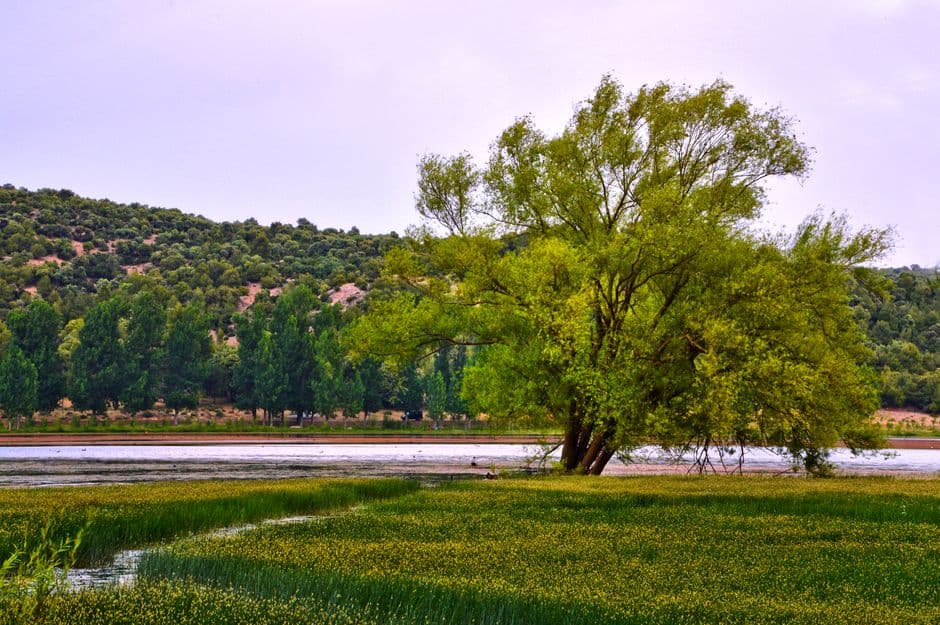
Federal contractors are felling a 200-year-old cottonwood grove in Arizona's San Rafael valley to construct border walls, prompting local activists to stage a tree sit occupation. On 27 July, Fisher Sand and Gravel crushed three of the largest trees with excavators; protesters have now occupied the remaining grove to block further destruction.
The cottonwoods are ecologically significant – they support migratory birds, provide riparian habitat in an arid landscape, and anchor the local ecosystem. The standoff reflects a deeper tension between border infrastructure projects and environmental preservation in biodiverse frontier regions.
What makes this newsworthy for ESG readers: this is a live case study in how infrastructure projects proceed without adequate environmental due diligence or stakeholder consultation. The contractors' speed – crushing trees over a single week – suggests minimal community engagement or environmental impact assessment relative to biodiversity risk. Federal border projects often operate under exemptions that sidestep standard environmental review.
The protesters' framing – "she's our Statue of Liberty" – signals how communities experience loss of natural heritage as cultural dispossession, not just environmental damage. That emotional register matters because it drives the gap between corporate/government timelines and actual community consent.
For procurement teams and ESG leads: this illustrates why scope 3 environmental impact (including contractor behaviour on federal projects) demands explicit contractual language around biodiversity, community consultation, and habitat protection. Border wall construction is not ESG-neutral infrastructure.