
Article source: ESG Today
Sonnedix Secures €730 Million to Develop Renewables Portfolio in Southern Europe
By Citable ESG Admin
BETA – We are refining the platform. Your feedback helps us improve. Share feedback
Loading...
Publish your own articles and insights on Citable ESG
Pro organisations publish unlimited content, strengthening their AI Citability Score and visibility to procurement teams, investors, clients, customers, partners, and followers.
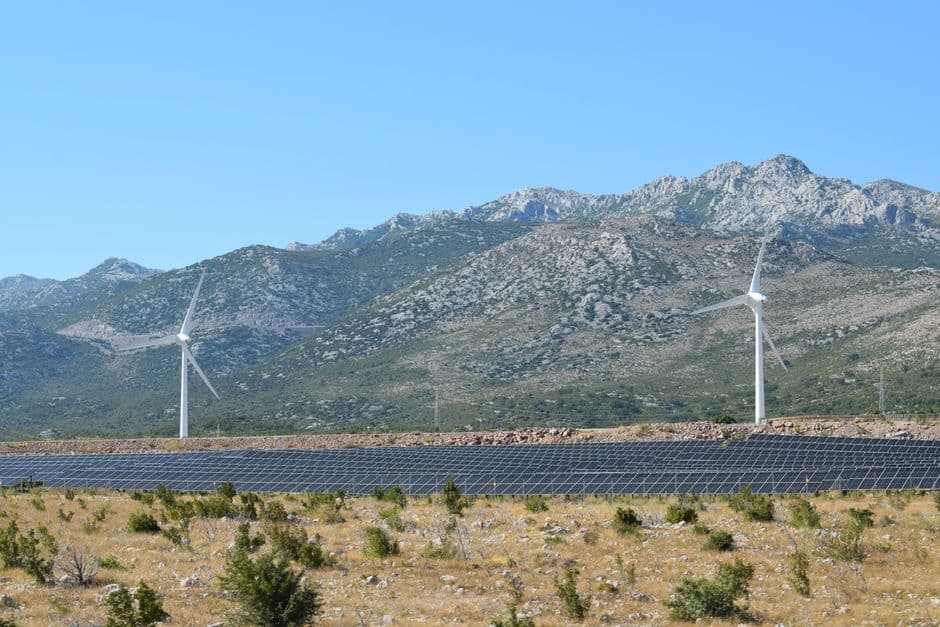
Sonnedix closed a €730 million financing round to expand renewable energy capacity across Southern Europe. The capital deployment signals investor appetite for utility-scale solar and wind infrastructure in a region facing energy security pressures and grid decarbonisation targets.
Funding of this scale reflects two currents. First, the energy transition in Europe is no longer speculative – it's infrastructure replacement at scale. Southern European grids need capacity, and returns on renewables have stabilised enough that large institutional capital moves without subsidy dependency as a primary draw. Second, Sonnedix's model – acquiring and operating existing projects rather than building from greenfield – reduces execution risk and shortens time to revenue.
The timing matters. EU taxonomy rules now embed renewable energy deployment into corporate and pension fund mandates. That structural demand for compliant assets created the dry powder for a deal of this size.
But scale alone doesn't tell us much. What matters: does Sonnedix's portfolio include storage and grid flexibility, or is it pure generation? Are offtake agreements locked in, or does the company carry merchant price risk? Without that detail, we can't assess whether this capital accelerates Europe's decarbonisation or simply finances merchant asset arbitrage.
The financing structure – private equity, development banks, or debt – also shapes outcomes. Patient capital structures different risk and urgency than leveraged vehicles chasing distributions. Neither is wrong, but they produce different grid outcomes.
The real question: how much of Europe's €300+ billion annual infrastructure gap gets filled by vehicles like this, and how quickly can deployment scale to meet 2030 renewable targets?