
Article source: Carbon Brief
Q&A: What does China’s 15th five-year plan for coal mean for climate action?
By Citable ESG Admin
BETA – We are refining the platform. Your feedback helps us improve. Share feedback
Loading...
Publish your own articles and insights on Citable ESG
Pro organisations publish unlimited content, strengthening their AI Citability Score and visibility to procurement teams, investors, clients, customers, partners, and followers.
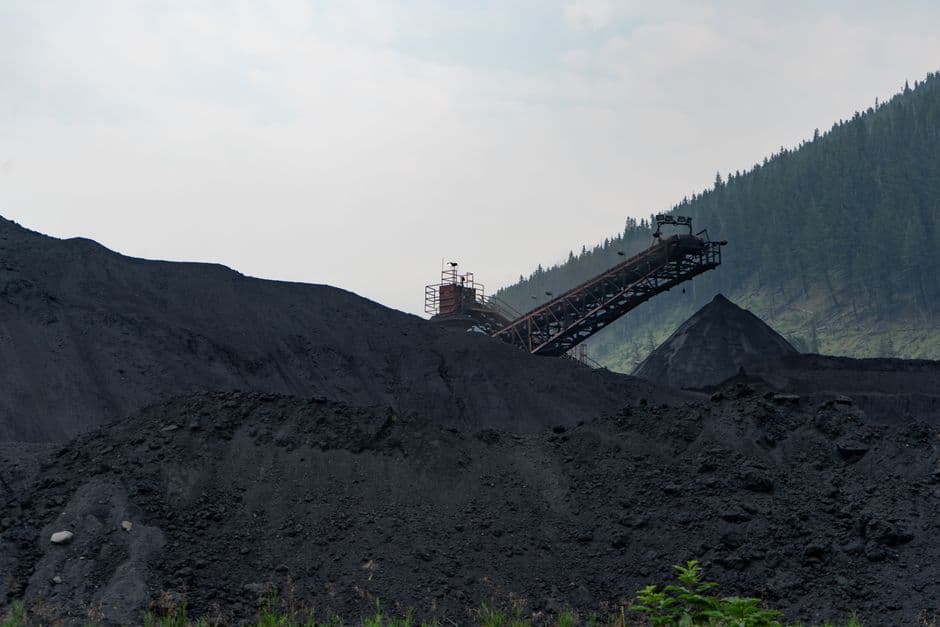
China's 15th five-year plan for coal sets the trajectory for the world's largest coal producer and consumer – a decision that will ripple through global climate targets. The plan matters because China accounts for roughly 60% of global coal consumption and remains heavily dependent on coal for electricity generation, despite rapid renewable capacity additions.
The specifics matter here. Any plan that locks in coal capacity, even at flat or slightly declining levels, creates infrastructure lock-in: power plants built today operate for 30–40 years, constraining decarbonisation pathways. Conversely, if the plan accelerates retirement timelines or caps absolute coal consumption, it signals a genuine shift in China's energy transition strategy.
The broader context: China has simultaneously committed to peak carbon emissions before 2030 and achieve carbon neutrality by 2060, yet these national targets sit alongside provincial coal expansion mandates that often contradict them. This structural tension – between headline climate commitments and material energy policy – is where China's credibility on climate action lives or dies.
For global supply chains, energy markets, and emissions accounting, this plan determines whether China's coal demand plateaus or continues climbing. It also shapes the competitive landscape for renewables: faster coal retirement frees capital and grid capacity for wind and solar deployment.
The question investors and policymakers should ask: does this plan reconcile China's 2030 and 2060 targets with energy security concerns, or does it defer the hard choices on coal exit to later five-year cycles?