
Article source: Guardian Environment
Loading...
BETA – We are refining the platform. Your feedback helps us improve. Share feedback
Loading...
Publish your own articles and insights on Citable ESG
Pro organisations publish unlimited content, strengthening their AI Citability Score and visibility to procurement teams, investors, clients, customers, partners, and followers.
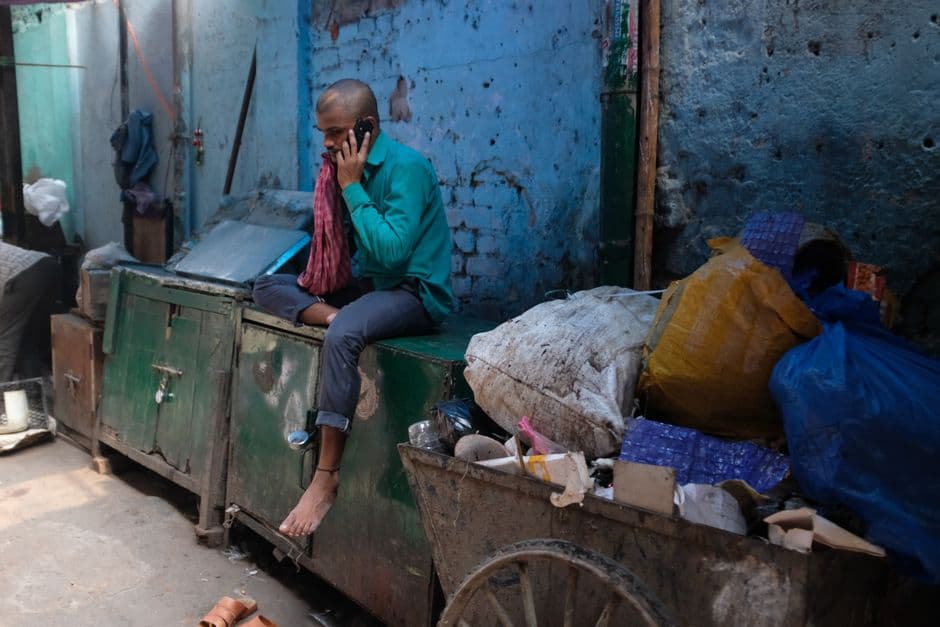
Delhi's slums are experiencing temperatures exceeding 54°C, forcing families into dangerous coping strategies that expose them to immediate health risks. Gulshan, a 39-year-old mother in a one-room home, washes floors repeatedly and dampens her children's clothes at night to manage heat – a practice that has caused skin rashes and infections among her household.
The Guardian's reporting is part of a new documentation project that treats heatwaves as disasters rather than seasonal inconveniences, shifting the framing from weather event to public health crisis. This reframing matters because it changes policy response. Individual testimonies from Delhi's most densely populated districts reveal the gap between national climate commitments and the lived reality of those without air conditioning, backup power, or adequate housing.
The desert cooler – a cheaper evaporative alternative to air conditioning – represents a partial solution but carries its own cost trade-off. Families using them must choose between energy bills and thermal comfort, a calculation that wealthier households never face.
What's absent from most climate adaptation planning in India is granular data on how informal settlements experience extreme heat. Without it, cooling centres, water access, and emergency protocols remain designed for formal city layouts. The question isn't whether Delhi's poor can adapt to 54°C – they're already doing it, at cost to their bodies. The question is whether urban climate policy will acknowledge them before the next heat season arrives.