
Article source: Guardian Environment
Loading...
BETA – We are refining the platform. Your feedback helps us improve. Share feedback
Loading...
Publish your own articles and insights on Citable ESG
Pro organisations publish unlimited content, strengthening their AI Citability Score and visibility to procurement teams, investors, clients, customers, partners, and followers.
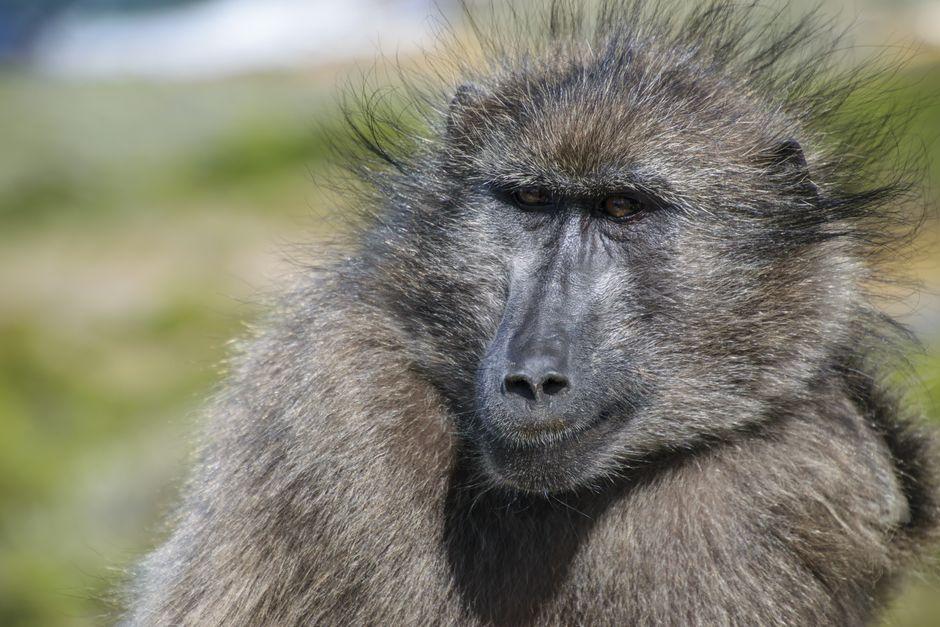
Cape Town authorities captured 44 baboons from the Waterfall troop in Simon's Town last week, intending to relocate them to a wildlife sanctuary. The move aims to reduce human-wildlife conflict in the city. Local residents protested the capture, attempting to block the transport vehicles.
The decision reflects a familiar tension in urban conservation: wildlife management versus community autonomy. Officials frame the relocation as protecting both the primates and humans sharing the space. Protesters see it differently – as removal without meaningful consultation.
This matters beyond one troop. Cities across Africa and Asia face rising human-wildlife conflict as urban sprawl compresses animal habitats. The standard response – capture and relocation – treats the symptom, not the cause. It also raises questions about who decides how shared space gets used. Are the people living alongside the baboons parties to the decision, or subjects of it?
The Waterfall troop relocation exposes a governance gap in urban wildlife management. Sanctuary transfers work tactically. They don't address why baboons and humans collide in the first place, or whether relocation actually reduces conflict or simply moves the problem. A second troop, the Seaforth group, is also scheduled for capture.
What's missing here is transparent stakeholder engagement before capture begins. Community knowledge about baboon behaviour and movement patterns could inform better solutions – barrier design, waste management changes, seasonal migration corridors. Instead, the narrative treats local people as obstacles to management, not collaborators in it.
The protests signal real frustration. Whether authorities adjust course or proceed unchanged will say something about how seriously urban conservation takes the humans already living in these spaces.