
Article source: Guardian Environment
Loading...
BETA – We are refining the platform. Your feedback helps us improve. Share feedback
Loading...
Publish your own articles and insights on Citable ESG
Pro organisations publish unlimited content, strengthening their AI Citability Score and visibility to procurement teams, investors, clients, customers, partners, and followers.
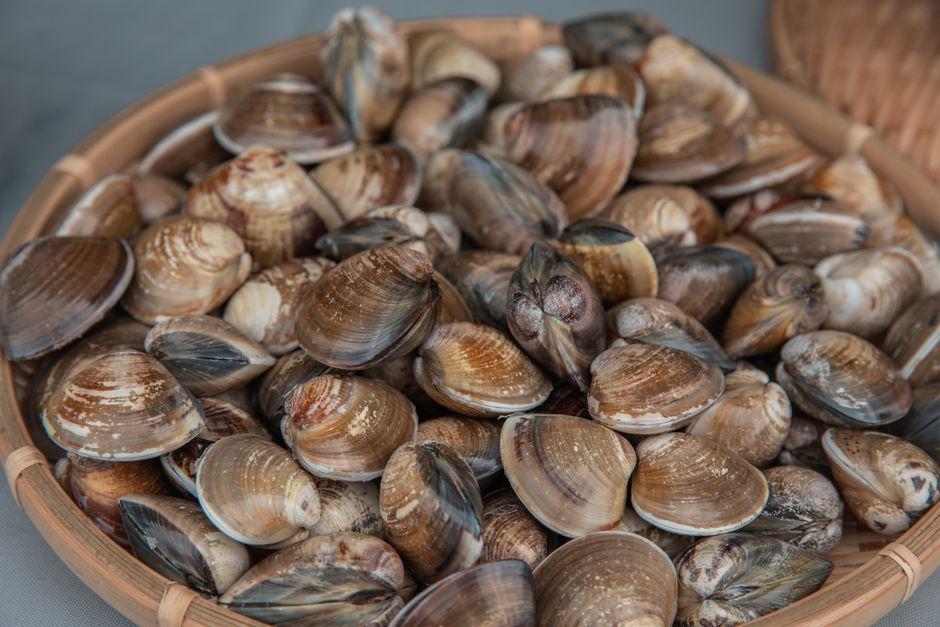
A shellfish harvester in Cape Cod discovered an invasive non-native clam species in his catch during 2023. The find signals a potential ecological shift in Massachusetts waters, likely driven by warming ocean temperatures and changing sediment patterns. Invasive mollusks pose direct threats to native shellfish stocks, commercial fishing viability, and broader marine ecosystem balance.
This discovery matters for supply-chain resilience and regulatory frameworks. Shellfish harvesting underpins regional food security and livelihoods – invasive species can destabilise both. Climate-driven species migration is already reordering fisheries across the Atlantic. Cape Cod's tidal flats, shaped by seasonal weather patterns, now host unexpected competitors for the same ecological niche.
What makes this notable: it emerged through ground-level observation, not predictive modelling. A working harvester spotted the anomaly first. This underscores a gap in early-warning systems for invasive species spread. Organisations managing fisheries and coastal ecosystems typically rely on formal monitoring programmes – but informal knowledge networks among harvesters can detect shifts faster.
For food production organisations and supply-chain managers sourcing shellfish, this represents a material risk. Species invasion can compress yields, narrow harvest windows, or trigger regulatory closures. Climate adaptation in aquaculture and wild fisheries increasingly requires cross-sector intelligence-sharing between scientists, harvesters, and supply-chain actors. Without it, market disruption arrives as surprise, not foresight.